

Find out if fluoride in water is beneficial or harmful and how to effectively treat it
1. Fluoride in water is beneficial when the content is controlled properly.
Fluoride has many benefits when added to water sources at reasonable levels. One of the important effects of fluoride is its antibacterial properties, which help limit the growth of harmful bacteria in water, thereby improving water quality.
In addition, fluoride is also commonly used in the prevention of tooth decay. According to the website of the Harvard TH Chan School of Public Health - the US Centers for Disease Control and Prevention (CDC), the introduction of fluoride into community water supplies is one of the 10 greatest public health achievements of the 20th century. Studies have shown that the rate of tooth decay in communities is significantly reduced when using water containing fluoride.
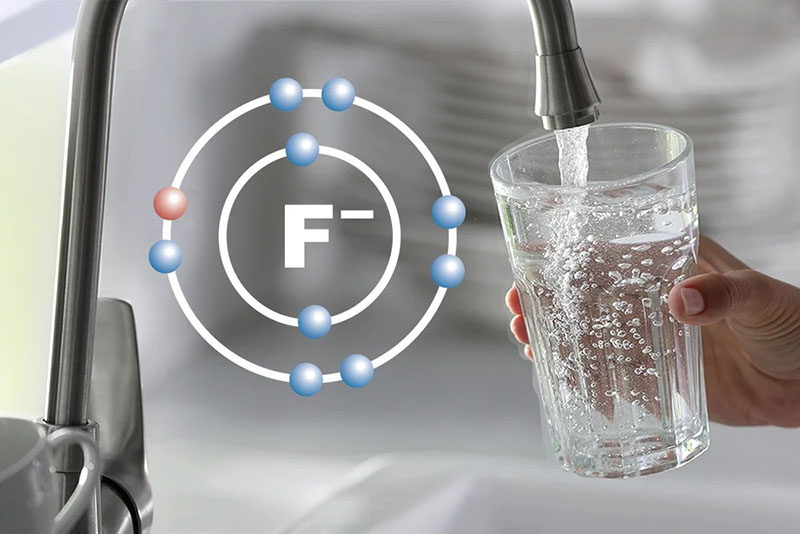
If controlled at appropriate levels, fluoride in water is beneficial to human health.
2. What is a safe amount of fluoride in water?
The recommended safe fluoride level is 1.5 mg/L . However, this number may vary depending on the regulations of each country/organization.
In 2015, the U.S. Department of Health and Human Services (HHS) recommended 0.7 mg/L of fluoride per liter of water to help prevent tooth decay and improve oral health. For the past five decades, the recommended level of fluoride in water has been 1.2 mg/L. In addition, the World Health Organization (WHO) currently sets the safe limit for fluoride in drinking water at 1.5 mg/L, according to the U.S. National Institutes of Health.
In Vietnam, regulations of the Ministry of Health require that the fluoride content in drinking water must not exceed 1.5 mg/L.
To test the fluoride content in your water, you can check with your water supplier, use a home testing kit, or send a water sample to a professional laboratory.

Safe fluoride content in water is 1.5 mg/L
3. Harmful effects when fluoride in water exceeds the permissible level
3.1. Dangerous conditions of Fluorine poisoning
According to Medical News Today - One of the fastest growing health information sites in the United States, when exposed to too high levels of fluoride in water, some short-term poisoning symptoms can occur, including:
- Stomach-ache
- salivation
- Nausea
- Vomiting convulsions
- Muscle spasm
3.2. Dental and skeletal fluorosis
According to the National Institutes of Health , long-term exposure to high levels of fluoride in water can lead to fluorosis, which has serious effects on dental and bone health:
- Dental fluorosis: Causes tooth discoloration, permanently affecting aesthetics.
- Skeletal fluorosis: Excess fluoride can cause bones to become stiff and painful, stiffening the pelvis and spine. It also increases the risk of fractures and causes arthritis, affecting mobility and joint health.
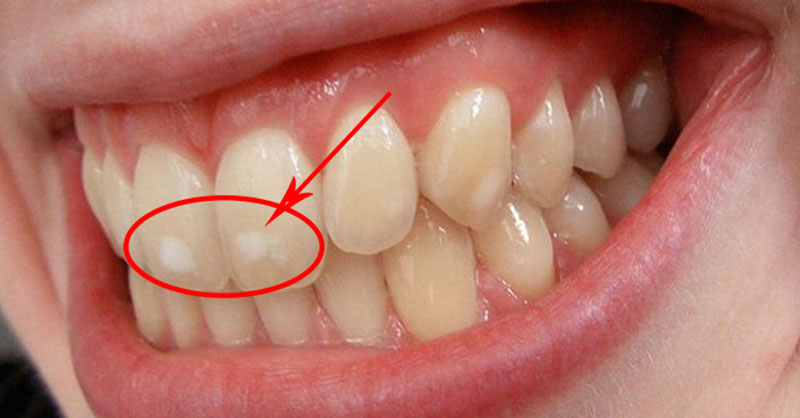
Too much fluoride in water can be harmful to teeth.
3.3. Serious health effects
According to the National Institutes of Health , exposure to excess fluoride can cause serious health problems such as:
- Fatigue: A persistent feeling of tiredness and lack of energy.
- Chronic problems: Excess fluoride can lead to long-term health complications, including cardiovascular disease, atherosclerosis, impaired kidney and liver function, nerve damage, and hormone dysregulation.
In addition, according to Medical News Today , cardiovascular problems such as arteriosclerosis, arterial calcification, high blood pressure, heart muscle damage, heart failure and heart failure can all be linked to exposure to excessively high levels of fluoride.
3.4. Some other issues
According to Medical News Today , exposure to high levels of fluoride in water can also cause a number of other health problems, including:
- Acne and other skin problems.
- Reproductive problems, such as reduced fertility and early puberty in girls.
- Neurological disorders, including problems involving the temporomandibular joint (TMJ).

Exposure to water with high fluoride levels can cause skin irritation and acne.
4. Effective method to remove fluoride in water
1- RO water filter
The RO (Reverse Osmosis) water filtration system is one of the most effective methods to remove fluoride and many other impurities in water, providing clean, pure water, protecting the health of the whole family.
RO water purifier has the ability to purify water up to 99.99%, completely removing toxic substances, bacteria, impurities, including heavy metals such as lead and copper, allowing you to use water immediately without having to boil.
RO filters operate based on a semi-permeable membrane with extremely small filter holes (only 0.001 micro), allowing only clean water molecules to pass through and removing other contaminants, including Fluoride. Thanks to this powerful filtering ability, RO water filters can remove most harmful impurities, providing clear, safe water for use in daily life and direct drinking. without worrying about bacteria or contaminants.
In particular, some RO water filtration systems can operate without water pressure and electricity, saving energy while still providing a large amount of clean water for the whole family.
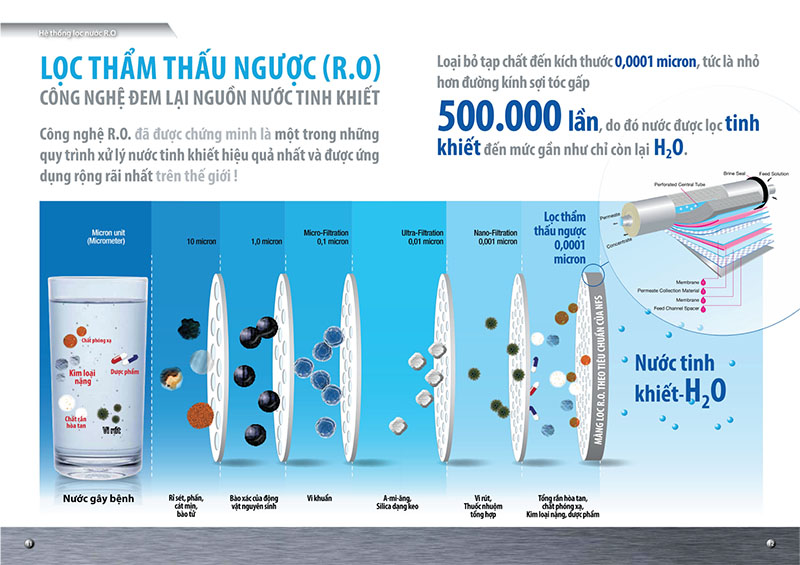
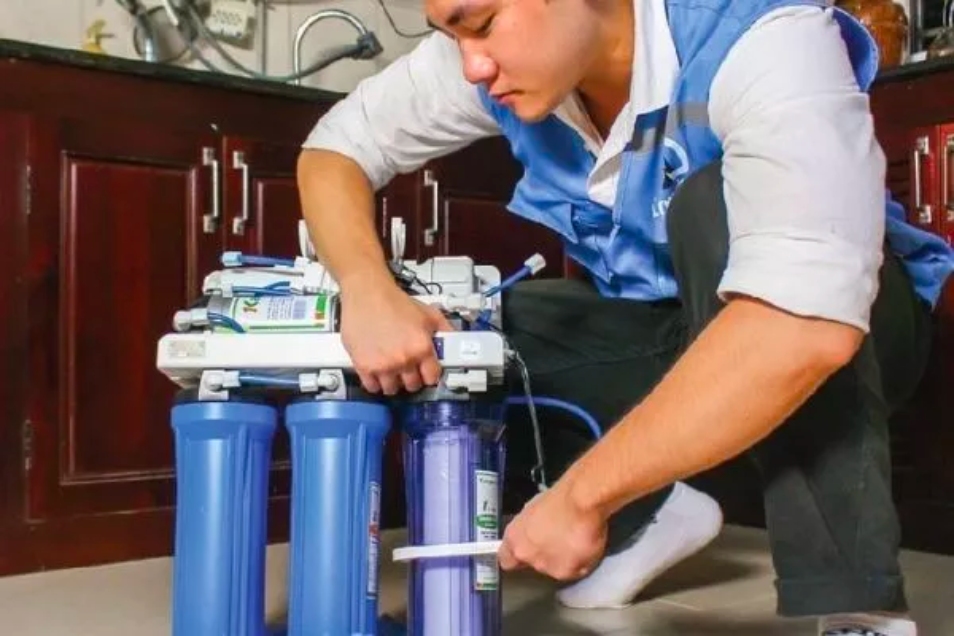
RO water purifier can effectively remove fluoride from water
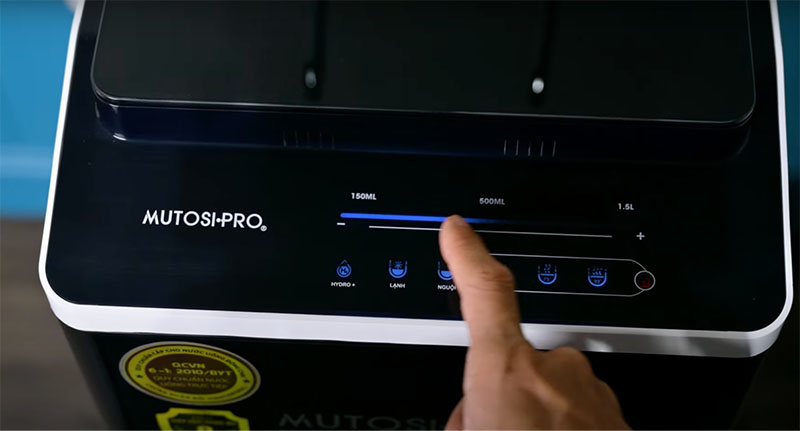
To ensure your family's drinking water is always clean and safe, you can refer to the best-selling RO water purifier products from Mutosi. Not only does it support effective fluoride removal, Mutosi water purifiers also help remove impurities, bacteria, viruses or other heavy metals in the water.
In particular, Mutosi also offers you the option of an alkaline hydrogen ion water purifier with the ability to create alkaline ion water with a high, stable pH of 8.0 - 9.5 and a high hydrogen concentration of 650 - 1200ppb). This type of water has strong antioxidant properties, helps beautify the skin, increase energy and fight the effects of free radicals in the body. It can be seen that the Mutosi water purifier provides a source of pure water, supports health protection and improves the quality of life for your family.
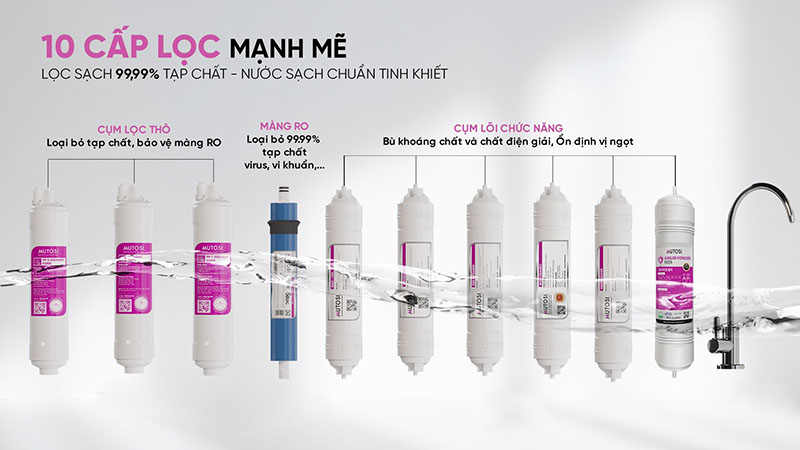
10 powerful filtration levels in Mutosi water purifier support the thorough removal of fluoride in water.
2- Distillation
This method uses the process of evaporating water and then condensing it to obtain pure water. Fluorine and non-volatile impurities are retained, so you can effectively remove unwanted components. ( Note: Only evaporate water, do not boil it. Normal boiling of water does not remove fluoride, and may even increase its concentration in the water )
3- Alumina filter
Alumina filters work on the principle of adsorption, removing fluoride as water flows through. However, this method is only effective with water with a pH below 8.5 and requires a long contact time to achieve optimal results.
4- Bone charcoal carbon filter
This method has been used for a long time to remove fluoride from water. Bone charcoal carbon filters are created by burning animal bones into charcoal, creating a filter layer that can effectively absorb fluoride.
It can be seen that Fluorine in water is beneficial if controlled at the appropriate level, but also poses many risks when exceeding the safe level. Understanding the effects of Fluorine and applying effective treatment methods such as using RO water purifiers will help you protect your health and ensure a pure water source for your family. For more advice on the appropriate RO water purifier for filtering Fluorine, please contact the Mutosi hotline 1900.636.595 or visit the website Mutosi.com .

![How to make a well water filter [Simple - Economical - Quality]](https://storage.sudospaces.com/sudo-mutosi/uploads/media/3-bo-sung-probiotic-cho-phu-nu-qua-thuc-pham-quen-thuoc.jpg)