

Domestic water has a bad smell: Causes and effective treatment at home
1. Water smells like bleach (chlorine smell)
Reason
The tap water we use every day is usually extracted from natural water sources such as ponds, lakes, rivers, streams or underground water. To ensure hygiene, water treatment plants often add chlorine to the water. However, when the initial water quality is poor, the amount of chlorine required will increase significantly. If not thoroughly treated, excess chlorine will remain in the water, causing the unpleasant smell of bleach.
Affect
The level of chlorine used usually ranges from 0.2 - 2 parts per million ppm, or in some areas up to 5 ppm. However, if this level is exceeded and used for a long time, this water source can lead to negative health effects such as:
- Skin, eye, respiratory tract irritation: Chlorine is a strong oxidizer, causing skin irritation, dry skin, red eyes, rhinitis, cough, and difficulty breathing.
- Effects on the digestive system: Water with excess chlorine can cause digestive problems such as nausea, diarrhea, and abdominal pain.
- Increased risk of disease: Long-term exposure to chlorine may increase the risk of certain cancers, such as bladder cancer.
How to handle
To remove chlorine smell and ensure health safety, you can apply the following methods:
- Boiling: Boiling water removes most of the chlorine, but does not completely remove organic substances that can form when chlorine reacts with organic substances in water.
- Leave water outdoors: Leave a full bottle of water outdoors for about 6-8 hours, the chlorine will evaporate.
- Using activated carbon: Activated carbon has the ability to absorb organic substances and chlorine, helping to remove odors and purify water.
- Using water purifier: RO water purifier or water purifier using UF, Nano, UF technology is capable of removing most pollutants, including chlorine in water.
Water with chlorine smell has a significant impact on daily life.
2. Domestic water has a fishy smell
Reason
Iron and manganese contamination of well water with a fishy smell is a common problem, especially in areas with complex geology. The main cause of this phenomenon is that groundwater passes through layers of soil and rock containing iron and manganese, dissolving these metals and carrying them into the water supply. In addition, water pipes made of poor quality materials or corroded materials can also increase the concentration of iron and manganese in water.
Affect
Well water contaminated with iron and manganese not only causes aesthetic loss due to yellow or reddish brown water color and unpleasant fishy smell, but also causes many harmful effects to health:
- Stains on clothes, equipment: Iron and manganese when exposed to air will form yellow or reddish brown stains on clothes, kitchen utensils, and sanitary equipment. born.
- Health effects: Long-term use of water contaminated with iron and manganese can cause health problems such as: skin irritation, hair loss, or digestive disorders, nausea, and diarrhea.
How to handle
To remove iron and manganese in well water, you can apply the following methods:
- Aeration: Let water flow through small nozzles to increase the contact area with air, helping iron and manganese to oxidize and precipitate. At the same time, you can inject air into the water to enhance the oxidation process. Then, use filter materials such as manganese sand, quartz sand to filter out the precipitated iron and manganese particles.
- Using Vitamin C: Vitamin C helps reduce iron from Fe3+ to Fe2+ which is easier to precipitate. Use vitamin C by crushing vitamin C and then mixing it with water at a ratio of 500mg vitamin C = 1 cubic meter. However, this method is only effective with low iron concentrations.
- Using RO water purifier: RO filter membrane has very small filter pore size, capable of removing most pollutants, including iron and manganese.
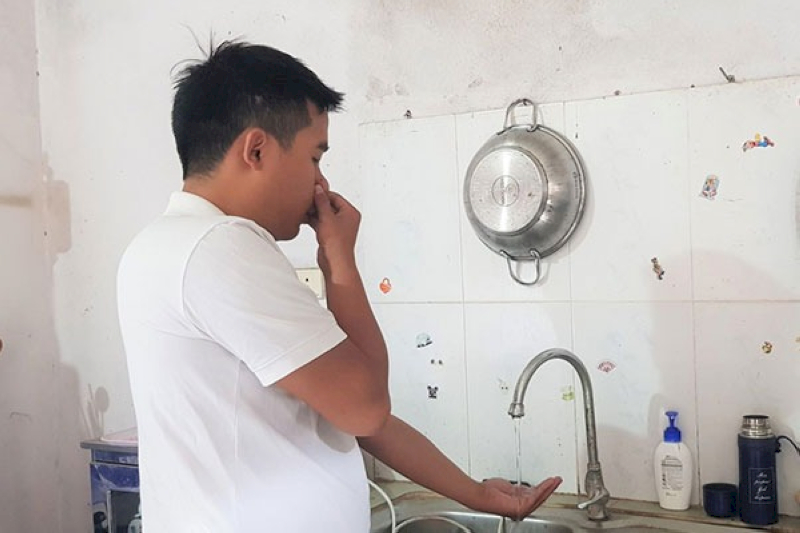
The fishy smell in water can come from water contaminated with manganese and iron.
3. Domestic water smells like rotten eggs
Reason
The rotten egg smell in well water is often caused by hydrogen sulfide (H₂S) gas. This gas is produced when anaerobic (oxygen-free) bacteria break down sulfur-containing organic compounds in the absence of oxygen. The main causes of this condition include:
- Lack of oxygen: When the well is sealed, not exposed to air or the amount of dissolved oxygen in the water is too low, it creates favorable conditions for anaerobic bacteria to grow.
- Organic matter: The decomposition of organic matter such as leaves, animal carcasses, household waste... in an oxygen-deficient environment also produces H₂S gas.
- Aquifer soil: If the aquifer soil has a high sulfur content, the decomposition of sulfur compounds will produce H₂S gas.
Affect
Well water with a rotten egg smell is not only unpleasant in daily life but also potentially harmful to health. In addition, H₂S gas is corrosive and can damage household appliances that use water such as washing machines and water heaters.
How to handle
To remove the rotten egg smell in well water, you can apply the following methods:
- Natural aeration: Allow water to come into contact with air by installing sprinklers or a simple aeration system.
- Forced aeration: Use a pump to inject air into the water, enhancing the oxidation process and removing H₂S gas.
- Filter: Use filter materials such as activated carbon and manganese sand to absorb H₂S gas and other odor-causing substances.
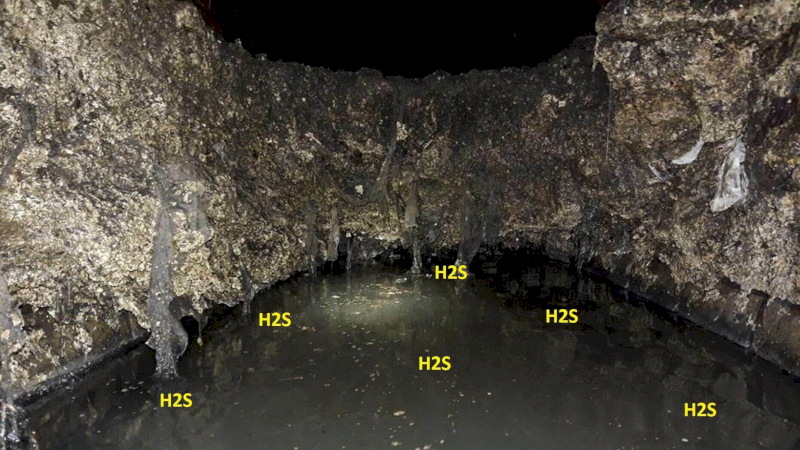
Water source contaminated with H2S will have a rotten egg smell.
4. Water smells earthy and musty
Reason
The smell of soil and mold in water often appears due to water contaminated with iron. Iron can exist in water in two main forms: Iron in the form of Fe2+ or Fe3+ ions, which are invisible to the naked eye but cause a characteristic fishy, earthy smell. In addition, when iron combines with other substances to form insoluble compounds, it causes the water to be cloudy, yellow or brown.
Affect
Water causes many effects on health and daily life. Accordingly, excess iron can cause digestive problems, increasing the risk of liver disease. Yellow water, unpleasant fishy smell affects the quality of life, causing discomfort when using water for daily activities. In addition, iron precipitate can clog pipes, damage household appliances that use water such as washing machines, water heaters.
How to handle
To remove iron from water and deodorize, you can apply the following methods:
- Sand filter: Use layers of filter materials such as manganese sand and quartz sand to filter out precipitated iron particles.
- Activated carbon filter: Absorbs organic substances, gases and other odor-causing compounds, helping to purify water.
- Aeration: Increases water exposure to air to oxidize dissolved iron into a more easily filtered precipitate.
- RO membrane: RO membrane has very small filter pore size, capable of removing most contaminants, including iron.
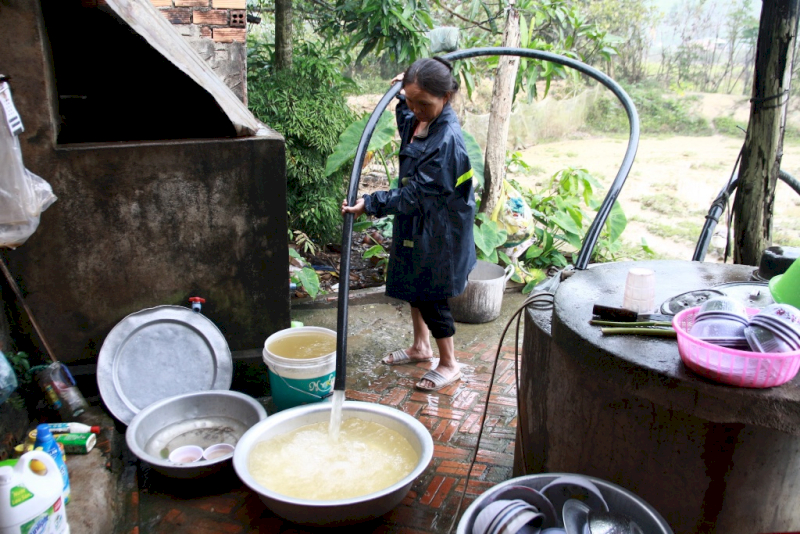
Iron contaminated water may have a musty odor and appear pale yellow in color.
5. Water smells like petroleum
Reason
The cause of this situation often comes from areas with industrial activities, especially chemical and oil and gas plants. The production and processing processes at these plants can lead to methane gas being released and entering water sources. In addition, in areas where oil is exploited and distilled, the process of exploiting and processing oil and gas can also cause methane gas to leak into groundwater. Even in caves and deep wells, the process of decomposing organic matter in oxygen-deficient conditions also produces methane gas, affecting water quality.
Affect
Although methane gas in air can cause explosions when it reaches a certain concentration, when dissolved in water it does not pose a direct fire or explosion hazard. However, the presence of methane in water can still cause technical problems, affecting the operation of pumps and other water-using equipment.
How to handle
- style="text-align: justify;"> Natural aeration: Let the water come into contact with air as much as possible. You can pour the water into a basin and leave it for a while before using it.
- Use activated carbon: Activated carbon has the ability to absorb organic substances and gases, helping to eliminate odors. You can use water filters containing activated carbon.

Petroleum odor in domestic water comes from methane gas (CH₄)
6. Domestic water has a foul smell.
Reason
If the ammonium concentration in water is higher than 20mg/l, it will cause domestic water to have a strong smell like urine. The main causes of this condition include:
- Water pollution: Microbial activity in the soil, decomposition of organic matter or agricultural activities (use of fertilizers), industrial activities (discharge of waste) cause ammonia pollution.
- Wastewater treatment process: If the wastewater treatment process does not meet standards, ammonia can be discharged into the environment, polluting water sources.
Affect
Domestic water with a strong smell is not only unpleasant but also potentially harmful to health:
- Effects on the digestive tract: Causes symptoms such as nausea, diarrhea, abdominal pain.
- Skin and eye irritation: Direct contact with water containing high levels of ammonia may cause skin and eye irritation.
How to handle
To remove the smell and reduce the concentration of ammonia in domestic water, you can apply some of the following methods:
- Use of filtering devices:
- Raw water filter: Helps remove dirt particles, residue and some ammonia.
- RO water purifier: Almost completely removes dissolved substances in water, including ammonia.
- Water purifier using Nano technology: Capable of removing ultra-small particles, including ammonia molecules.
- Boiling: Boiling water helps some of the ammonia evaporate, but does not remove it completely.
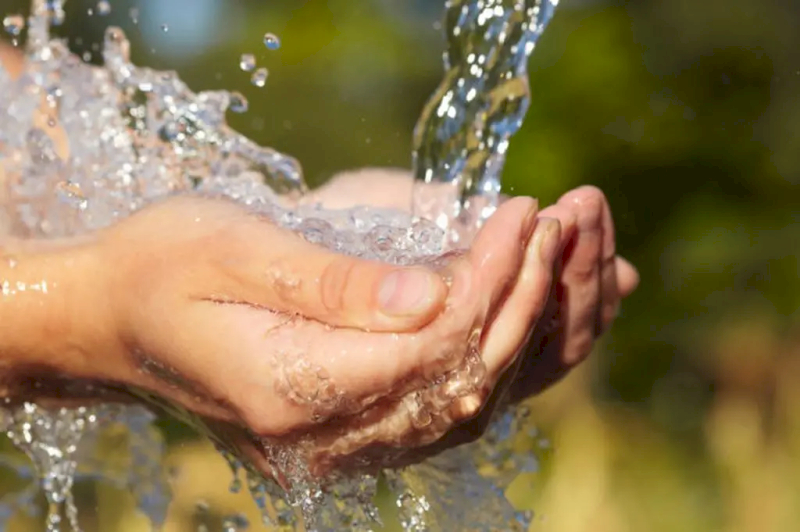
The smell of ammonia in water is due to the presence of ammonia compounds.
7. Domestic water smells like plastic
Reason
The smell of plastic in domestic water often comes from direct contact of water with plastic items that do not meet quality standards. Specifically:
- Poor quality plastic items: Poor quality plastic products of unknown origin may contain toxic chemicals that, when in contact with water, release odors.
- Poor hygiene: If plastic items are not cleaned regularly, dirt and bacteria will decompose and create odors. foul.
Affect
- Effects on the digestive system: Chemicals from plastic can cause digestive problems such as stomachache and diarrhea.
- Harmful to the liver: The liver is the organ responsible for filtering toxins, long-term exposure to chemicals from plastic can cause liver damage.
How to handle
To remove the smell of plastic in domestic water, you can apply the following measures:
- Check and replace plastic items: Only use plastic products with clear origin and guaranteed quality. At the same time, replace old or deformed plastic items.
- Use RO water filter: Helps remove most contaminants, including chemicals from plastics.
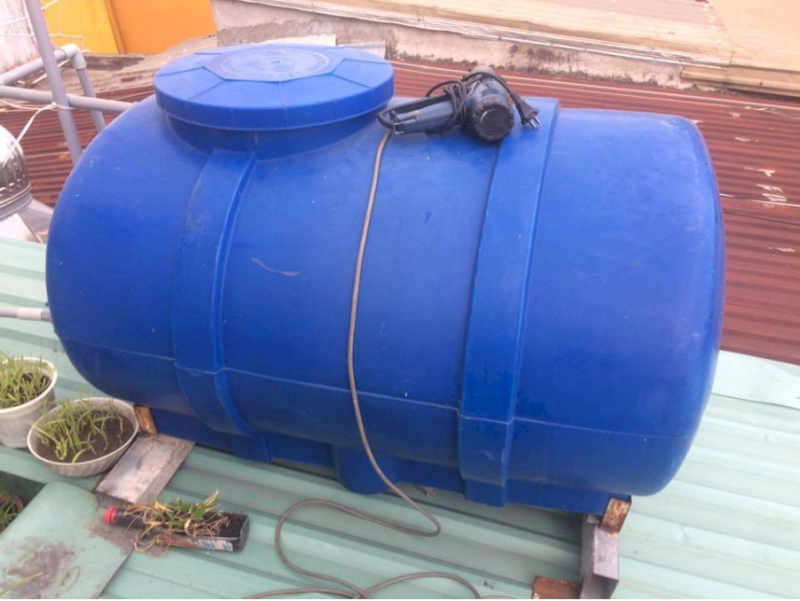
Poor quality plastic water tanks can cause water to have an unpleasant odor.
8. Domestic water smells of rust
Reason
Heavy rainfall seeps into the ground, causing iron to accumulate in groundwater and contaminate drinking water, giving it a rusty smell. In addition, water pipes made of iron or other metals that rust over time can also contaminate water sources.
Affect
- Health effects: Excess iron in the body can cause digestive and liver problems.
- Reduces quality of life: Water is yellow, has an unpleasant fishy smell, affecting daily activities.
- Damage to appliances: Iron deposits can clog pipes, damaging appliances.
How to handle
- Water Softener: Ion exchange water softeners absorb iron ions, replacing them with other ions.
- Using manganese: Manganese is a strong oxidizer, when in contact with iron it will cause iron to precipitate.
- Use of filtering devices:
- Sand filter: Helps remove precipitated iron particles.
- Activated carbon filter: Absorbs organic substances, helps reduce odors.
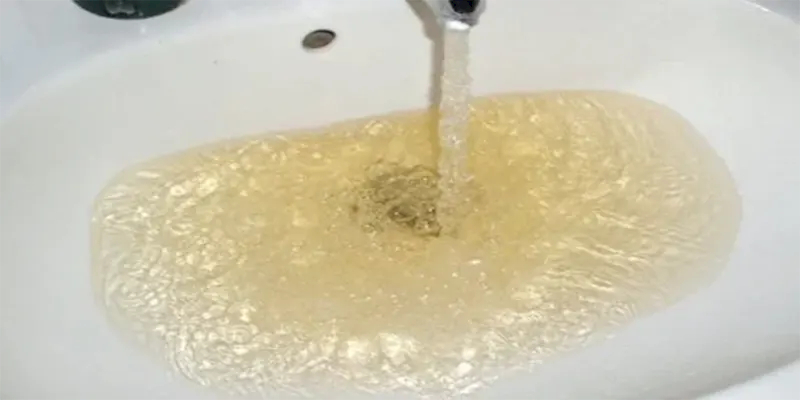
Iron contaminated water can cause an unpleasant rusty smell.
In addition to the above water filtration methods for daily use, investing in an RO water purifier is the optimal solution to ensure clean and pure drinking and cooking water.
With modern RO filtration technology, Mutosi's RO water purifier removes up to 99.99% of bacteria, viruses, heavy metals and other impurities, providing you and your family with pure water that meets Vietnamese and Japanese standards. In particular, Mutosi's RO water purifiers are also equipped with smart features, making it easy for you to use and maintenance.
Refer to genuine, quality RO water purifier products at: Mutosi water purifier .
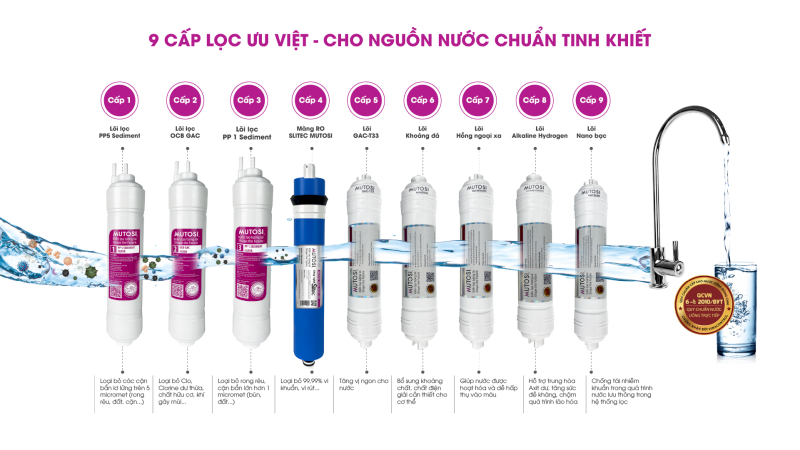
With many powerful filtration levels, Mutosi water purifier helps you solve the problem of smelly water.
Through this article, we have learned about the causes of bad odors in water and solutions to overcome them. To have clean water, you should regularly check the water quality, clean water containers and use appropriate water filtration equipment.
If you have any questions, please contact Mutosi hotline 1900 636 595 for further advice and answers.