

Iron-contaminated water: Causes, effects and comprehensive treatment methods
1. What is iron contaminated water and how to recognize it?
Iron-contaminated water is a condition in which domestic water contains iron ions (Fe2+) exceeding the permissible level, usually above 0.5mg/l. When exposed to air, these iron ions will be oxidized to Fe3+, creating insoluble iron compounds with a yellow-brown color, causing the water to have a yellow or light brown color.
Signs of iron contaminated water:
- Taste: Iron-contaminated water often has a characteristic metallic smell, a slightly sour taste and leaves an unpleasant aftertaste in the mouth.
- Color: When leaving the water out for about 3-5 minutes, if the water turns light yellow or yellow-brown, it is very likely that the water has been contaminated with iron.
- Stains and rust: Clothes washed in water contaminated with iron are often stained yellow, and metal objects in the house such as faucets, sinks, etc. are prone to rust.
Additionally, you can use home water testing kits or bring water samples to laboratories to accurately test the iron content in your water.
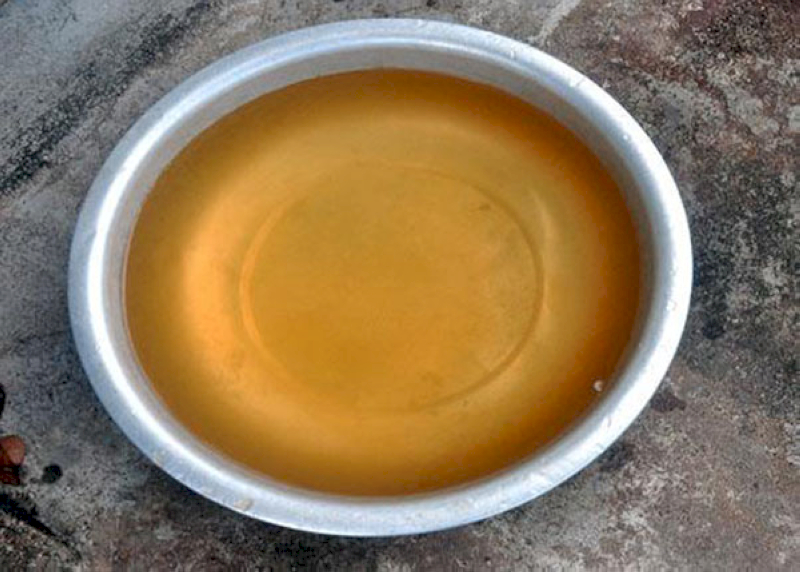
Iron-contaminated water when exposed to air for a while will turn yellow or brown.
2. Harmful effects of iron contaminated water
According to a study published on ResearchGate ( a European commercial social networking site for scientists and researchers to share scientific articles and ask questions ), iron-contaminated water can cause constipation and indigestion if used in food and drink. In addition, iron-contaminated water also causes negative impacts on the daily life of households such as leaving brick-red stains on household items such as basins, basins, faucets, dishes, sinks, clothes and even rust on metal utensils...
For more details, you can refer to the article: 5+ Harmful effects of iron-contaminated water

Using water contaminated with iron can lead to constipation and indigestion.
3. 6 main causes of iron contamination in water
Iron contaminated water is a condition where the iron content in water is high, exceeding the permissible level (over 0.5mg/L for domestic water and over 0.3mg/L for direct drinking water) according to regulations of the Ministry of Health .
This water condition can be caused by 6 main reasons, including:
3.1. Due to old or damaged water supply system
After a period of use, the water supply system gradually deteriorates, causing problems such as rust, dirt blockage, and mechanical damage. If not maintained regularly, Regularly, the water source after filtration will be affected by dirt, dissolved with iron in the pipe. To eliminate this cause, users should monitor the periodic maintenance time and perform timely replacement.
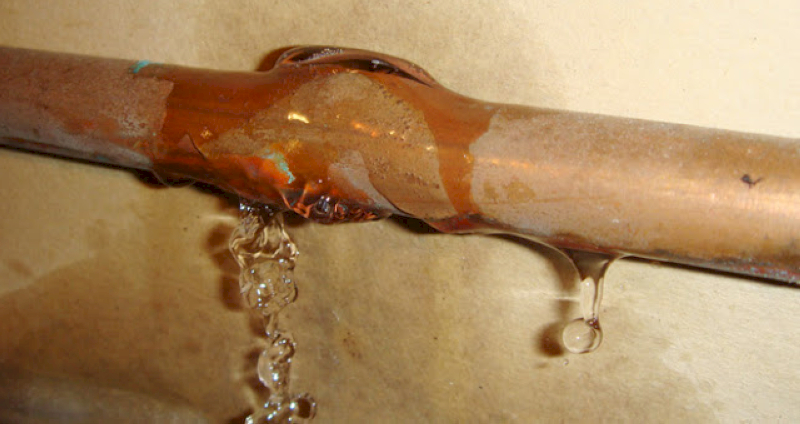
Broken water pipes can cause iron contamination in water.
3.2. Due to soil characteristics
In some areas, the soil contains naturally high levels of iron and metals. The cause of iron contamination in water due to soil characteristics is common in mountainous provinces such as Ha Giang, Cao Bang, Yen Bai. After rains, metals flow through the water and dissolve into underground water sources and accidentally become the source water in household water filtration systems.
3.3. Due to the impact of mineral mines
Mining mines discharge large amounts of wastewater containing iron and many other heavy metals into the environment. Depending on the level of discharge and terrain structure, the spread of wastewater into the area can vary, from hundreds of meters to several kilometers on average. After the wastewater seeps deep into the ground and touches underground water sources, it causes long-term consequences that are difficult to overcome.
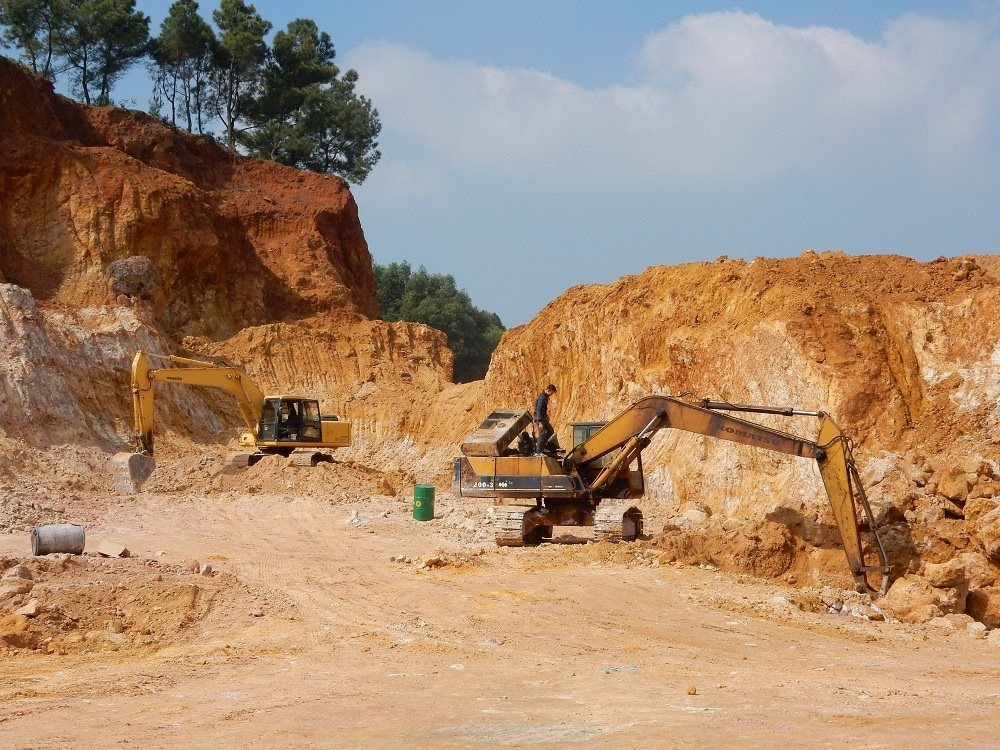
Iron-contaminated water can originate from the influence of mineral mines.
3.4. Due to improper waste disposal
Burying waste or applying improper treatment methods can be the cause of iron contamination in water. Pollutants from waste partly seep into groundwater, the rest flow with rainwater into rivers, streams, and lakes. This not only affects the water source but also pollutes the common water of the community.
3.5. Due to the impact of construction works and transportation routes
Transportation, especially vehicles, can release pollutants such as dirt, grease, and heavy metals, including iron, into the environment. These pollutants can settle on water surfaces and enter water supplies. Or road construction can damage underground aquifers and cause erosion, allowing soil and pollutants, including iron, to flow into water supplies.
3.6. Due to agricultural activities
This cause mostly occurs in rural areas, areas with strong agricultural activities. Fertilizers, chemicals for growing plants, and soil treatment all contain a certain amount of iron. Over time, these substances accumulate in the soil, dissolving in water similar to the above causes.
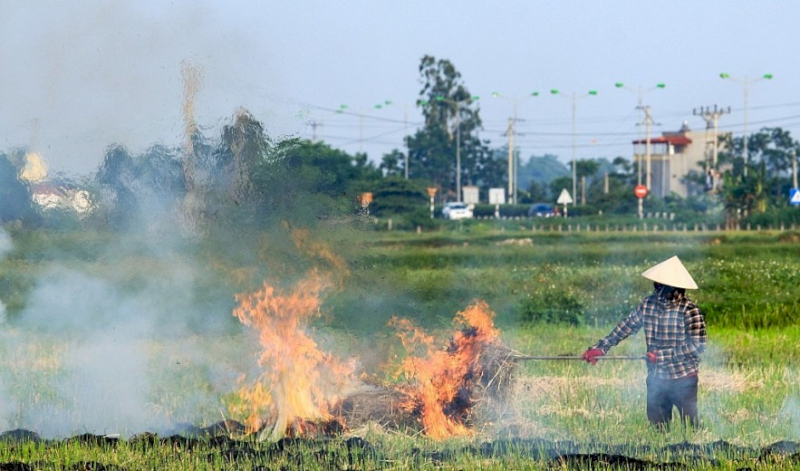
Agricultural activities affect water quality
4. Proper treatment of iron-contaminated water to protect quality of life
Replace new water supply system, use anti-rust system
The solution is applicable to households with old or damaged water supply systems. The family proceeds to replace the entire system according to standards based on the advice of experienced experts.
Note: Priority should be given to installing pipes and sinks made of anti-rust materials such as stainless steel, PVC plastic, and fiber reinforced concrete.
Treating iron contaminated water with wood ash
Users prepare a quantity of ash and iron-contaminated water tanks that need to be treated. Pour the ash directly into the water tank at a dosage of 5 - 10g/l. After 15 minutes, white precipitate will form and gradually settle to the bottom. Users decant the clean water on top for use. This is a quick and simple measure, but it is only temporary and does not ensure absolute health safety.
Iron contaminated water treatment with filter tank
Users build a rough filter tank consisting of 3 layers: a settling layer, a filtering layer, and a clean water storage layer. In the first layer, users install a rain spray/shower system to settle dirty impurities. Then arrange the filter materials in order: 1 - 2mm quartz sand, manganese sand, quartz sand, activated carbon, water filter gravel.
Note: Before pouring the filter material, it is necessary to place a section of perforated filter mesh pipe under the clean water layer. This section of pipe has the task of collecting water and preventing filter particles from overflowing.
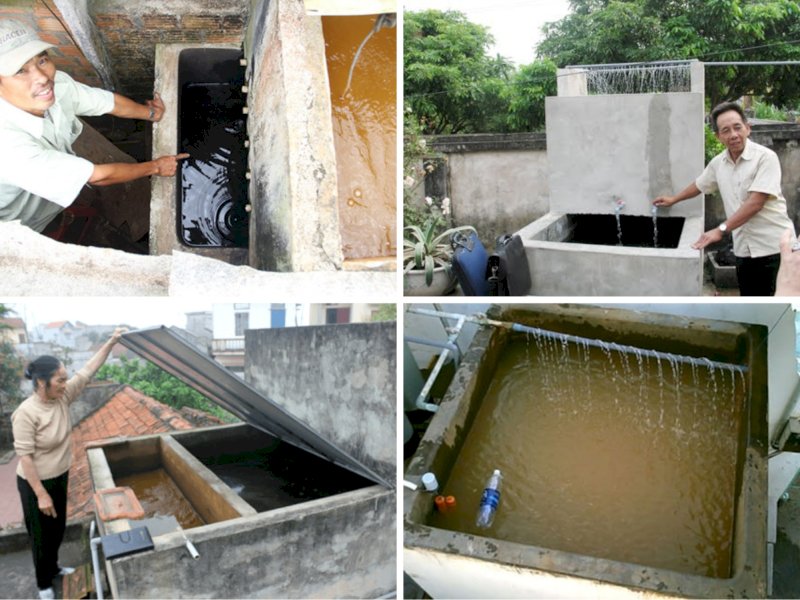
In addition to the filter tank method, the filter column method follows the same process.
Iron-contaminated water treatment by aeration method
Iron sulfate is normally present in the form of Fe2+. Under the aeration method, iron sulfate is oxidized to Fe3+ and further precipitates into the visible compound Fe(OH)3 during the hydrolysis process. When precipitates form, households can easily remove them manually. A variety of aeration equipment that users can choose from such as showerheads/sprinklers, Ozone aerators, and high-load towers.
Note: This method is effective for water sources with mild iron contamination. In case of water with severe iron contamination, users should prioritize the rough filter tank method.
Iron-contaminated water treatment with lime
The method of treating iron-contaminated water with lime creates a chemical reaction similar to the aeration method. Users add lime powder (CaCO3) directly to the water tank. CaCO3 contacts Fe2 to form a precipitate of Fe3+ that can be seen with the naked eye. Users decant the upper part of the water and use it normally.
Iron-contaminated water treatment with filtration system
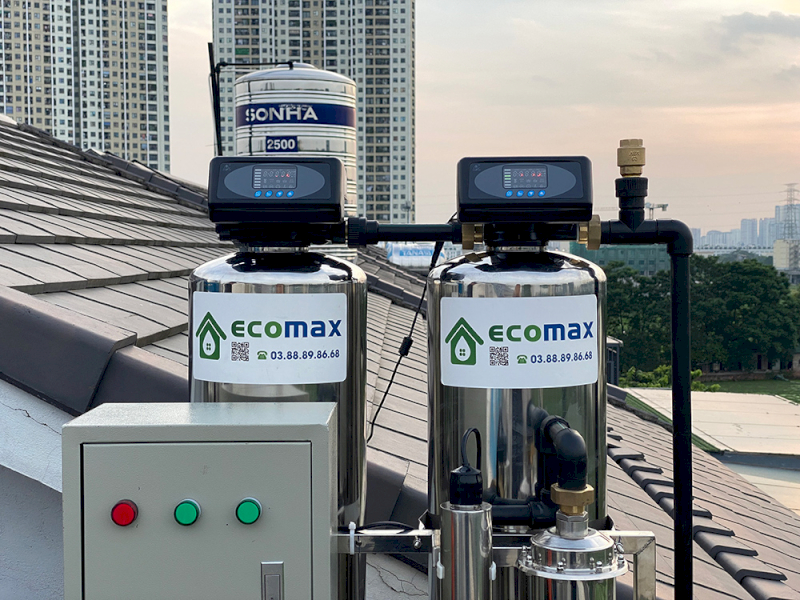
This is an advanced, highly effective method and is recommended for use in the process of treating iron-contaminated water. The system installed at the water source is capable of relatively removing impurities, dissolved metals and chemicals that cause color and odor. The quality of the water after filtration of the system meets safety standards for use in daily activities.
Some reputable total filtration systems on the market today include: MT012-1 water treatment system, MT075-3 Mutosi, Karofi KTF-332C filtration system.
Mutosi meets Japanese standards and direct drinking water standards of the Ministry of Health" src="https://storage.sudospaces.com/sudo-mutosi/uploads/media/may-loc-nuoc-mutosi-dat-tieu-chuan-nhat-ban.jpg" style="height:450px; width:800px" />
Mutosi water purifier meets Japanese standards and direct drinking water standards of the Ministry of Health.
In addition to the rough filtration system to treat domestic water sources, households can combine the use of RO water purifiers. This measure brings optimal efficiency, helping families feel absolutely secure about the source of direct drinking water. With super small filter holes of 0.0001 nanometers, the RO filter membrane is capable of filtering 99.99% from coarse impurities to fine impurities, while retaining only pure water molecules. In addition to the cleaning function, water purifiers are also equipped with a number of functional filter cores that help supplement many essential minerals for human health.
Mutosi family water purifiers are currently highly appreciated in the market, becoming the top choice for families who want to protect and care for their health from deep within. Mutosi water purifier products are spread across many price segments and different designs, allowing users to easily make choices that suit their personal needs.

Install a total filtration system to remove iron ions in domestic water sources.
Thus, the article has summarized and explained in detail 6 causes of iron-contaminated water and shared effective treatment experiences. Hopefully, the article has been useful for households in the process of building a safe and healthy quality of life. In addition, if you want to learn more about Mutosi brand products, you can contact the website Mutosi.com or hotline 1900.636.595 for quick support!