

Arsenic Contaminated Water: Causes, How to Identify and Thorough Treatment Solutions
1. What is arsenic contaminated water?
Arsenic contaminated water is water that contains arsenic (arsenic) levels exceeding the safe threshold of 10 micrograms/liter or 0.01 mg/liter - According to World Health Organization (WHO) standards. When the arsenic level exceeds this level, the water is no longer safe to use.
Arsenic in water usually exists in the form of arsenic oxide compounds of trivalent arsenic (As2O3) and is mainly inorganic. In particular, water sources from drilled wells and untreated groundwater have a high risk of arsenic contamination, causing serious health effects if not detected and treated promptly.
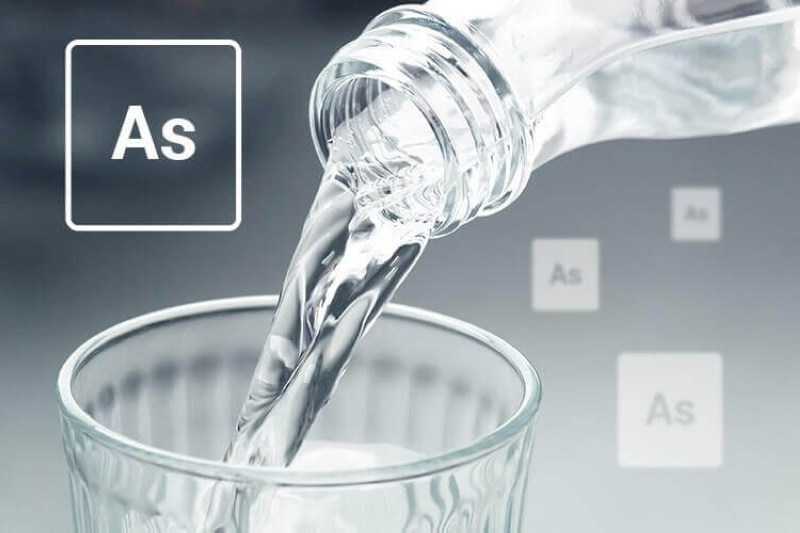
Arsenic contaminated water contains arsenic (arsenic) levels exceeding the safe threshold of 10 micrograms/liter or 0.01 mg/liter.
2. How to identify water contaminated with arsenic
Arsenic is a colorless, odorless, tasteless substance, so it is difficult to detect with the naked eye or common senses. To accurately determine the arsenic content in water, in-depth tests are required. The testing process usually includes:
- Water sample collection: Water samples must be tested at the source using specialized tools, ensuring that the water sample is not contaminated during collection (clean plastic or glass bottles should be used).
- Laboratory sample analysis:
- Atomic absorption spectroscopy (AAS): This method measures the amount of Arsenic by determining the ability of Arsenic atoms to absorb light.
- Inductively coupled plasma mass spectrometry (ICP-MS): This is an extremely sensitive analytical method, allowing simultaneous determination of many elements, including Arsenic, with high accuracy.
In addition, there are now rapid test kits that can detect Arsenic on the spot without sending samples to a laboratory. However, the results from these kits are only for reference and need to be further verified if Arsenic levels exceed the safety threshold.
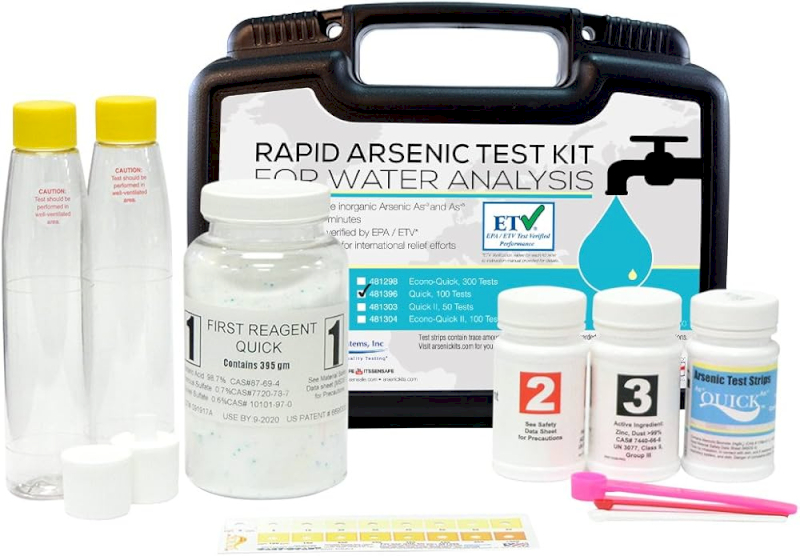
Arsenic Water Test Kit
After testing, if the arsenic content in the water exceeds the threshold of 10 micrograms/liter - 0.01 mg/liter (According to regulations of the Vietnamese Ministry of Health and many world health organizations), the water source is seriously contaminated with arsenic, you should not continue to use it to avoid affecting your health.
To ensure the health of yourself and your family, you should regularly check the quality of your domestic water source and choose appropriate water treatment methods to remove Arsenic if the content exceeds the permissible standards.
3. Causes of Arsenic Contaminated Water
The causes of arsenic contaminated water can come from both natural factors and human activities.
Arsenic exists naturally in the sediments of major rivers such as the Red River Delta and the Mekong River Delta. These sediments contain high levels of Arsenic, and when geological conditions change or due to groundwater exploitation, Arsenic can be released, dissolved into groundwater and surface water, causing water pollution. According to WHO , Vietnam is one of the countries with serious arsenic contamination of groundwater.
In addition, human activities also significantly increase the arsenic content in water. Industries such as mining and mineral processing, chemical production and metallurgy can release arsenic into the environment. In addition, agriculture using pesticides, arsenic-containing fertilizers, along with improper waste disposal, also leads to arsenic pollution.
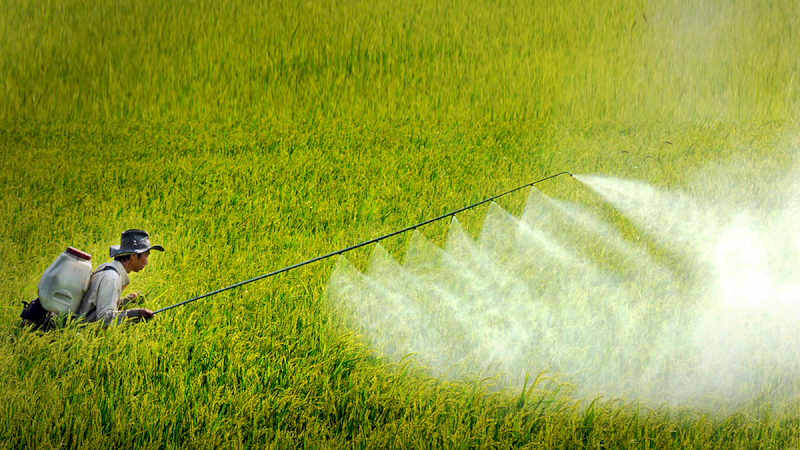
Improper use of pesticides and fertilizers can lead to the risk of water contamination with arsenic.
4. Harmful effects of arsenic contaminated water
According to the World Health Organization (WHO) , inorganic arsenic is a known carcinogen and one of the most dangerous chemical contaminants in drinking water supplies worldwide. Arsenic also exists in organic forms, which are generally less harmful, such as in seafood. However, inorganic arsenic compounds, especially those found in water, are highly toxic and pose a direct threat to human health.
Immediate effects
Consuming water contaminated with high levels of arsenic can cause symptoms such as vomiting, abdominal pain, diarrhea, numbness and tingling in the extremities, muscle cramps, and in severe cases, death.

Arsenic contaminated water can cause nausea when consumed.
Harmful effects of long-term exposure
- Skin effects: Changes in skin pigmentation, skin lesions and hard patches (hyperkeratosis) on the palms and soles. These symptoms can be a warning sign of skin cancer after exposure to arsenic-contaminated water for 5 years.
- Increased risk of cancer: Arsenic is classified as a carcinogen by the International Agency for Research on Cancer (IARC), including arsenic in drinking water. It increases the risk of serious cancers such as skin, bladder, and lung cancer.
- Causes acute symptoms: Can cause sore throat and lung irritation, nausea, diarrhea, liver and kidney damage, skin rash, red blood cell and white blood cell deficiency.
- Effects on people with underlying medical conditions: May have adverse effects on people with underlying medical conditions such as diabetes, lung disease, cardiovascular disease and heart attacks.

Arsenic contaminated water has adverse effects on health.
5. How to thoroughly treat arsenic contaminated water
5.1. Use water filtration system
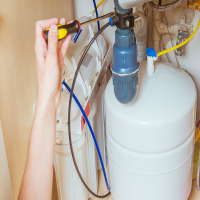
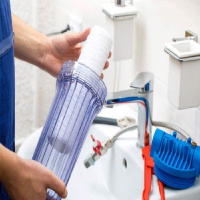
Direction This method uses a water filtration system with layers of filter materials such as sand, gravel, activated carbon and a permeable membrane made of polymer fibers to remove arsenic and other pollutants in water.
Advantages: Easy to install, suitable for households including rural areas.
How to proceed :
- Step 1 - Install the system : Install the water filtration system with osmosis membrane, activated carbon, sand, and gravel according to standards.
- Step 2 - Lead water into the system : Lead the water source into the filtration system. The water will now pass through layers of filter material to remove pollutants, including Arsenic.
- Step 3 - Use filtered water : After filtering, the water has removed Arsenic and can be used for daily life.

Source water filtration system with high quality filter materials will help remove Arsenic quickly and effectively.
5.2. Water oxidation
Water oxidation is the process of using oxidants or electricity to remove Arsenic. Accordingly, this process will convert Arsenic from Arsenic III (difficult to remove) to Arsenic V (easier to remove), then the Arsenic precipitate is removed from the water through filtration.
Advantages: Safe and causes few side effects, easy to apply, not very expensive.
Steps to follow :
- Step 1 - Choose an oxidation method : Choose one of the oxidation methods: Oxidation using a strong oxidant such as Chlorine or Hydrogen Peroxide in water to react with Arsenic. Electrochemical oxidation uses electric current to create oxidants in situ in water. Photochemical oxidation uses light (such as UV rays) to stimulate the oxidation process.
- Step 2 - Expose water to oxidant : Let arsenic contaminated water react with oxidant and convert arsenic into a form that can be removed.
- Step 3 - Filter out the precipitate : After oxidation, filter the water to remove the transformed arsenic precipitate.
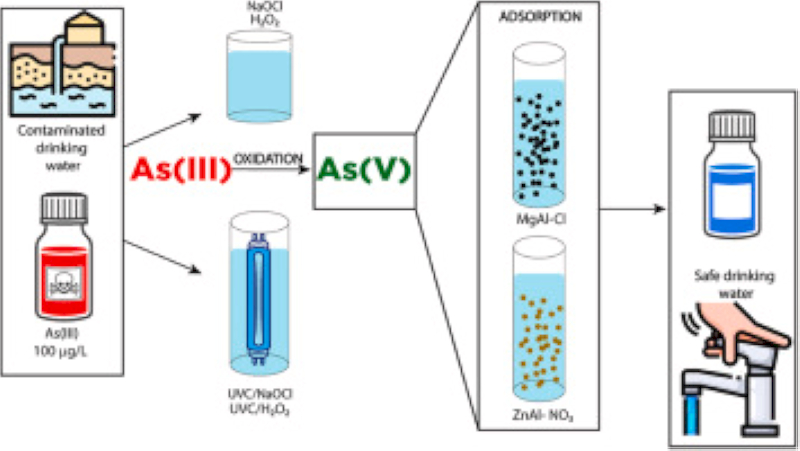
Mechanism of removing arsenic contaminated water by oxidation method
5.3. Coagulation and filtration method
Using substances such as alum, quicklime, ferric chloride to cause precipitation with arsenic in water. Then, this precipitate is removed through filtration.
Advantages : Easy to carry out, effectively removes Arsenic from water.
Steps to follow :
- Step 1 - Arsenic Coagulation : Add alum, quicklime or ferric chloride to water to precipitate Arsenic.
- Step 2 - Filter out the precipitate : Use a filter to remove the precipitate containing Arsenic.
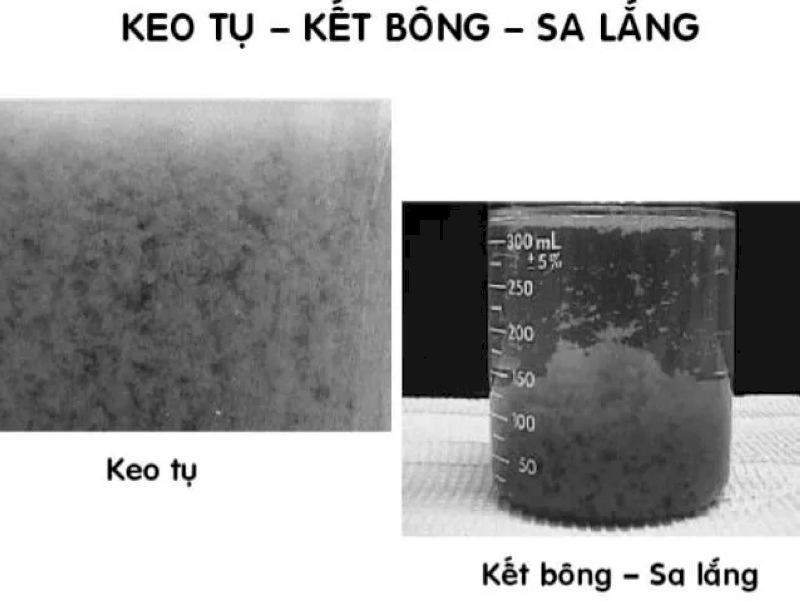
Removal of Arsenic in Water by Coagulation and Filtration
style="text-align:justify">5.4. Absorption method (Sorptive filtration)Absorption is one of the common methods for removing Arsenic from water. The mechanism of action is based on the retention of Arsenic ions in water on the surface or inside of an absorbent material.
Advantages : Low cost, can treat large amounts of water to meet the needs of households, suitable for water source characteristics in Vietnam.
Working principle:
- Step 1 - Contact: Arsenic contaminated water is brought into contact with the absorbent material.
- Step 2 - Adsorption: Arsenic ions in water move and adhere to the surface of the absorbent material due to electrostatic attraction or chemical bonds.
- Step 3 - Deep penetration (if applicable): Depending on the type of absorbent material, Arsenic can penetrate deep into the structure of the material.
- Step 4 - Retention: Arsenic is retained on the surface or inside the absorbent material, reducing the concentration of Arsenic in the water after filtration.
Absorption method to filter Arsenic from water
5.5. Ion exchange method
Using synthetic resins capable of ion exchange to remove Arsenic from water. The ion exchange process helps replace Arsenic ions in water with other harmless ions such as Cl- or H+. This is also the most complex method of treating arsenic contaminated water, requiring ion exchange technology between the solid phase and the liquid phase using synthetic resins capable of ion exchange to remove arsenic.
Advantages: Thorough treatment, can be regenerated many times at low cost, low energy consumption and environmentally friendly.
How to proceed: How to proceed through the steps:
- Step 1 - Prepare ion exchange resin: Use synthetic resin that can replace Arsenic ions in water with other harmless ions (such as Cl- or H+ ions)
- Step 2 - Contact : Let the arsenic contaminated water pass through the column containing the prepared ion exchange resin.
- Step 3 - Retain Arsenic : Arsenic in water will be retained on the plastic and clean water will go out.
In addition to using the suggested methods above, households should consider investing in an RO water purifier. Basically, the above methods can remove arsenic in water but are only suitable for daily use. To have a safe and pure source of drinking water, investing in an RO water purifier is necessary. In addition to removing arsenic like other methods, RO machines are also capable of removing most types of bacteria and impurities, meeting the highest standards for drinking water quality.
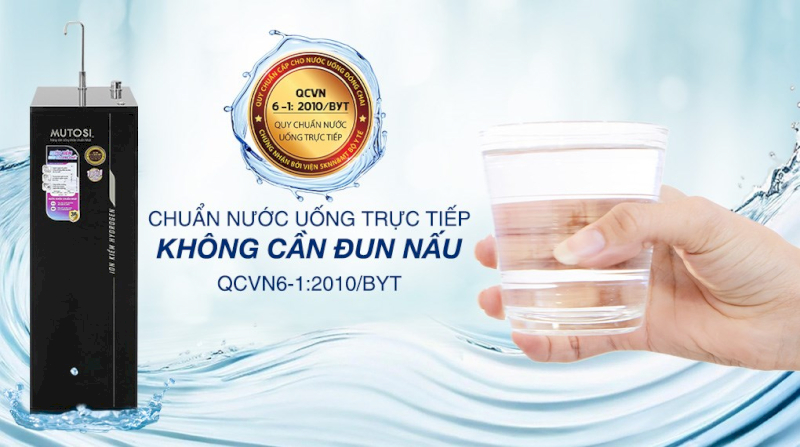
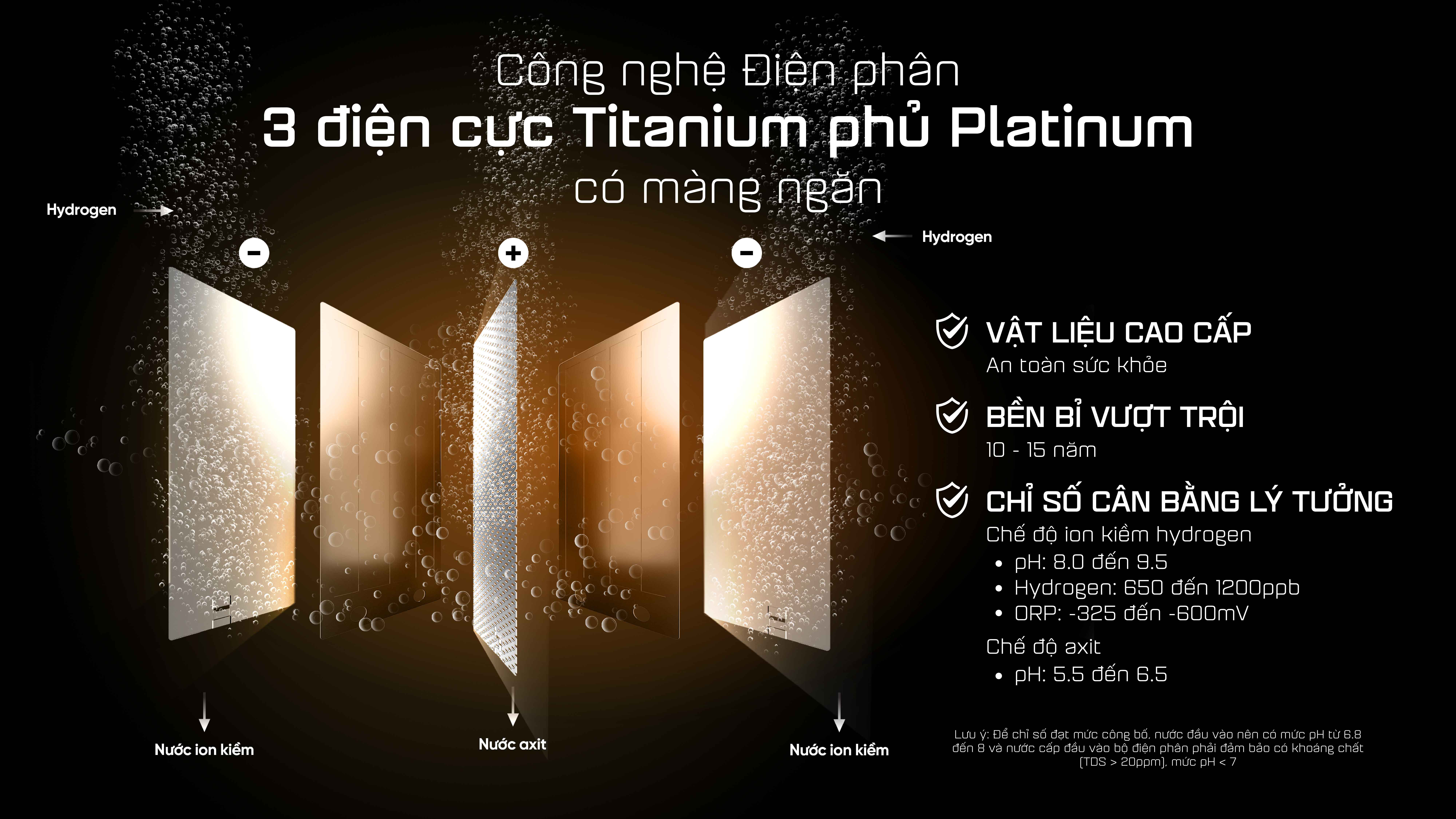
Proud to be a pioneer brand in protecting and improving healthy living standards according to Japanese standards for millions of Vietnamese people, Mutosi offers a line of water purifiers equipped with RO cores that meet NSF/ANSI 58 standards (of NSF of the World Health Organization): Eliminates 99.99% of viruses, bacteria, and toxic substances in water such as lead, mercury, arsenic,... for pure water after filtration.
Check out the effective Arsenic water purifiers with prices starting from only 4,000,000 VND at: Mutosi RO water purifier
Completely remove arsenic from water" src="https://storage.sudospaces.com/sudo-mutosi/uploads/media/he-thong-loc-nuoc-tien-tien-cua-mutosi.jpg" style="height:450px; width:800px" />
Mutosi's advanced water filtration system completely removes Arsenic from water.
Treating arsenic contaminated water not only helps protect health but also improves the quality of daily life. Hopefully, the suggestions from Mutosi in this article will be really useful to you. If you have any questions about arsenic contaminated water purifiers, do not hesitate to contact Mutosi hotline 1900.636.595 for quick answers!