

Alkaline ion water purifier electrode plate: Structure, function and some criteria for choosing to buy
1. What is an alkaline ionizer electrode plate?
1.1. Concept
Electrode plates are an important part located in the electrolysis chamber of alkaline ionized water machines. The electrode plates are placed alternately, separated by a semi-permeable membrane and pass a direct current. When the direct current passes through, the positive and negative electrode plates attract oppositely charged ions, creating two separate types of water: hydrogen-rich alkaline ionized water and acidic water.
The quality and quantity of electrode plates directly affect the machine's performance. High-end machines often integrate from 3 to 11 electrode plates, helping to increase the electrolysis capacity as well as the stability of the water source.
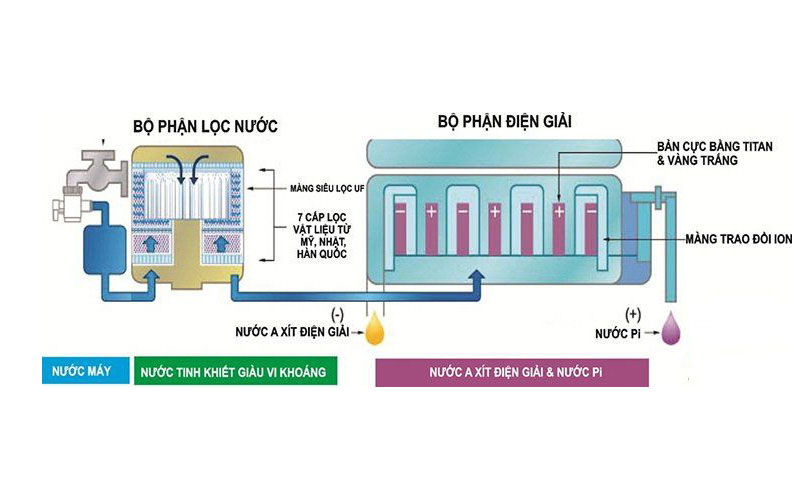
The water electrolysis process usually has 3 steps to obtain alkaline ionized water.
1.2. Structure
The electrode plate is usually made of highly conductive material such as titanium, then coated with a layer of platinum as a catalyst to increase the electrolysis speed, ensuring water capacity to meet user needs.
Titanium and Platinum have good heat resistance, low corrosion, and stable operation at high current density of 6kA/m2. These are factors that help maintain the performance and durability of the electrode plate and water purifier for a long time.
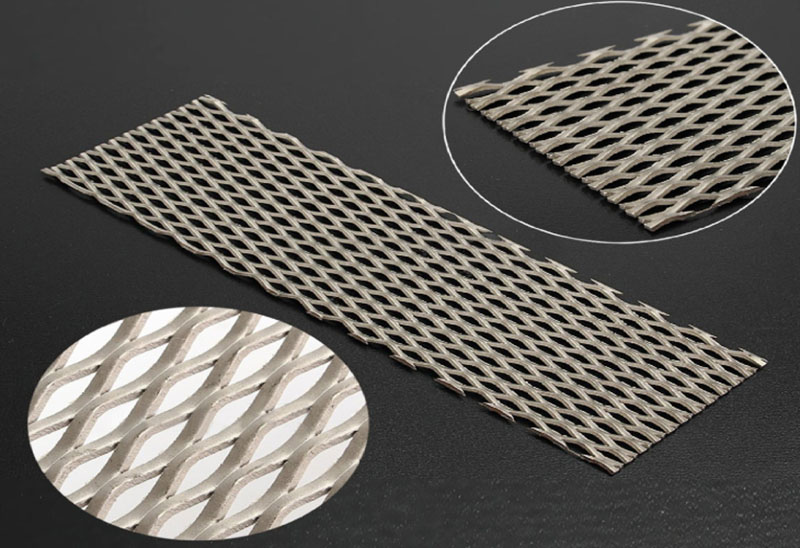
The structure of the electrode plate consists of two important layers: titanium and platinum.
1.3. Function
The electrode plate is used to create alkaline ionized water with ions such as: K+, Na+, Ca2+,... Thanks to that, the filtered water has the following characteristics: Rich in natural alkalinity, rich in minerals, has antioxidant properties and super small water molecule size that makes it easy for the body to absorb. Without the electrode plate, the water purifier only has the function of purifying water but cannot create water with a high alkaline ion index.
In addition, the electrode plate also determines the ability to create suitable pH and hydrogen concentration in water thanks to the mechanism of separating H+ and OH- ions. This is the main factor, bringing health benefits to users such as neutralizing excess acid and supporting the immune system.
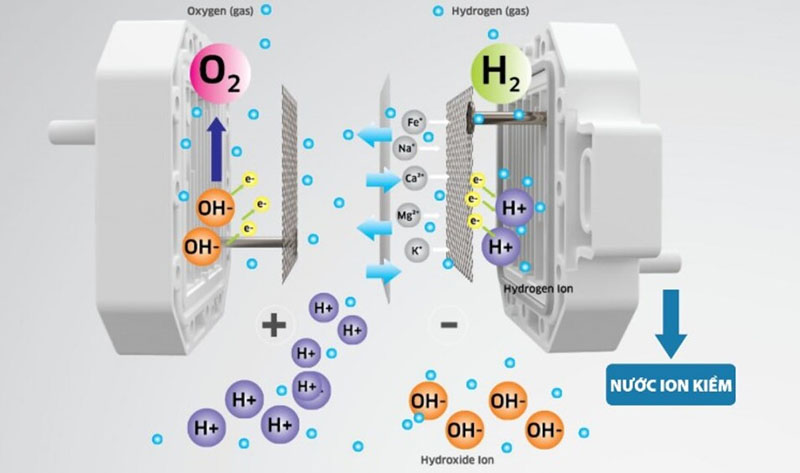
The electrode plate is an extremely important part in the process of creating alkaline ionized water.
2. Operating principle of alkaline ion water purifier electrode plate
The electrolysis process to create alkaline ionized water will operate based on the principles of electrochemistry and ionization.
After being filtered through the pre-filter system, the input water will be transferred to the electrolysis chamber containing the electrode plates. When applying voltage to the electrode plates, water molecules (H2O) will be separated into H+ ions and OH- ions.
The alkaline electrode plate will attract H+ ions to combine with electrons to form H2 gas. The OH- ions will combine with metals such as potassium, calcium, magnesium, etc. to create corresponding alkaline ions KOH, Ca(OH)2, Mg(OH)2, etc. This process creates alkaline ion output water that is stored in a pressure tank for use, while the acidic water is discharged through the water line.
Alkaline ions interact with acids in the body to help balance pH at a stable threshold. (from 8.5 - 9.5), eliminates harmful free radicals, creates an alkaline environment to help improve the body's resistance and prevent many dangerous diseases such as: Cancer, diabetes,...
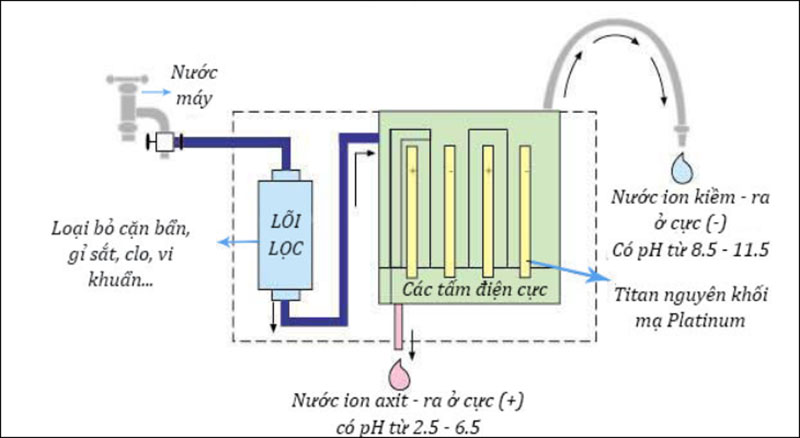
Electrode plates are considered the heart of alkaline ionized water purifier, indispensable in the electrolysis process.
3. Classification of electrode plates
3.1. Flat electrode
Flat electrodes have a simple surface structure, convenient for cleaning, ensuring quality and durability. However, flat surfaces require a lot of platinum during the manufacturing process, making production costs high and prices high.
Flat electrodes have large areas so they are often used in large capacity water purifiers and industrial water purifiers.
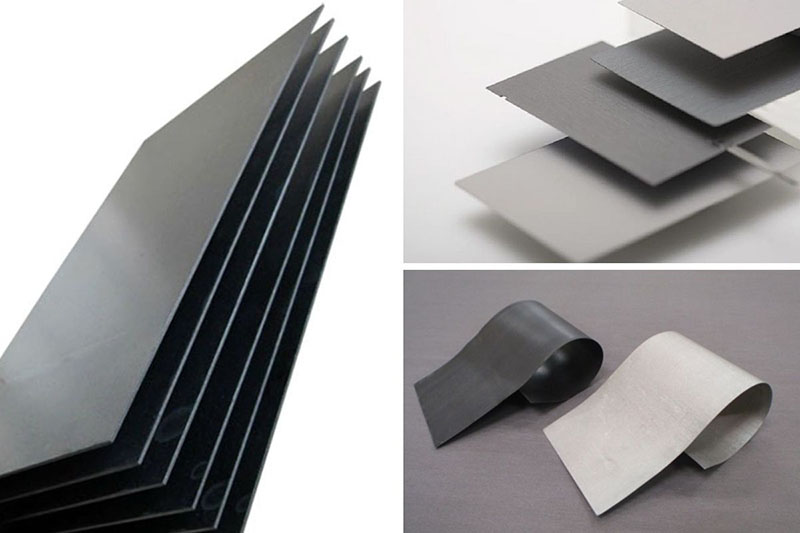
Large-area flat electrode plate provides powerful electrolysis performance
3.2. Slotted electrode
The grooved electrode plate is designed with a number of grooves on the surface and is often used in industrial water purifiers with large electrolysis capacity. Similar to the flat electrode, this type of electrode is easy to manufacture but also requires a lot of materials and has a high cost due to its large cross-sectional surface.

Slotted electrodes are often integrated in industrial water purifiers.
3.3. Mesh electrode
The surface of the electrode plate is designed with many small meshes, providing strong electrolysis performance. Possessing a small surface area, the mesh electrode plate is often used in small-capacity household water purifiers. In addition, the mesh electrode is also cheaper than the two types of electrodes above. However, this product has a rather complicated cleaning process because the surface contains many small grooves.
Choosing the right electrode plate will be based on the following factors: Water usage needs, budget. In general, mesh electrodes are currently widely used in the production of alkaline ion water purifiers thanks to their good electrolysis performance and affordable price.
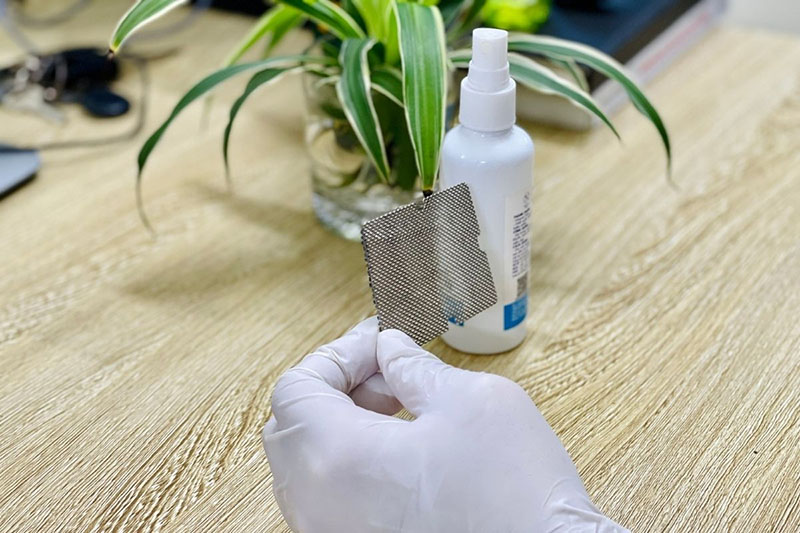
Mesh electrode plate has good electrolysis performance but complicated manual cleaning cycle
4. Criteria for choosing electrode plates that customers need to pay attention to
The electrode plate is an important part of the alkaline ionizer. Therefore, to ensure the efficiency of alkaline ionized water production, customers need to pay attention to the following factors: Area, quantity, material and technology to create the electrode plate.
4.1. Electrode plate area
Customers should choose electrode plates with suitable cross-section to increase the contact area with water, thereby improving electrolysis efficiency, bringing high hydrogen content in water. Alkaline ionized water purifiers for families usually have electrode plate areas of 120-150 cm²/plate. Meanwhile, large capacity water purifiers serving in businesses and industrial establishments Industries often equip large electrode plates up to 300 cm²/plate.
4.2. Number of electrode plates
Domestic water sources in Vietnam still contain many metals and toxic substances with a fairly low pH. Therefore, customers should choose an alkaline ionizer with many electrode plates to improve electrolysis efficiency and increase the ability to treat complex water sources. The more electrode plates, the wider the pH range, the higher the alkalinity and antioxidant capacity of the water.
The alkaline ion water purifiers on the market today have the number of electrode plates ranging from 3 to 12 plates. The choice of the number of electrode plates will depend on the water usage needs and economic conditions, specifically:
- Household alkaline ionized water purifier: This type of machine has small capacity, usually equipped with 3-7 electrode plates, suitable for daily living needs with moderate water flow.
- Large capacity water purifier in industry and business establishments: About 8-12 electrode plates are needed to ensure the efficiency of treating large amounts of water, providing continuous and stable water supply for production activities.
4.3. Electrode plate material
Customers should choose alkaline ionized water purifiers with electrode plates coated with Titanium or Platinum because these are metals that are safe for human health. In addition, Titanium or Platinum also helps improve electrolysis efficiency, increasing the Hydrogen content in alkaline ionized water.
4.4. Processing technology
Customers should consider buying alkaline ionized water purifiers that have electrode plates that operate on electrolysis technology with a membrane between the electrode plates. This helps separate alkaline ionized water and acidic water, providing water of superior quality with a stable pH.
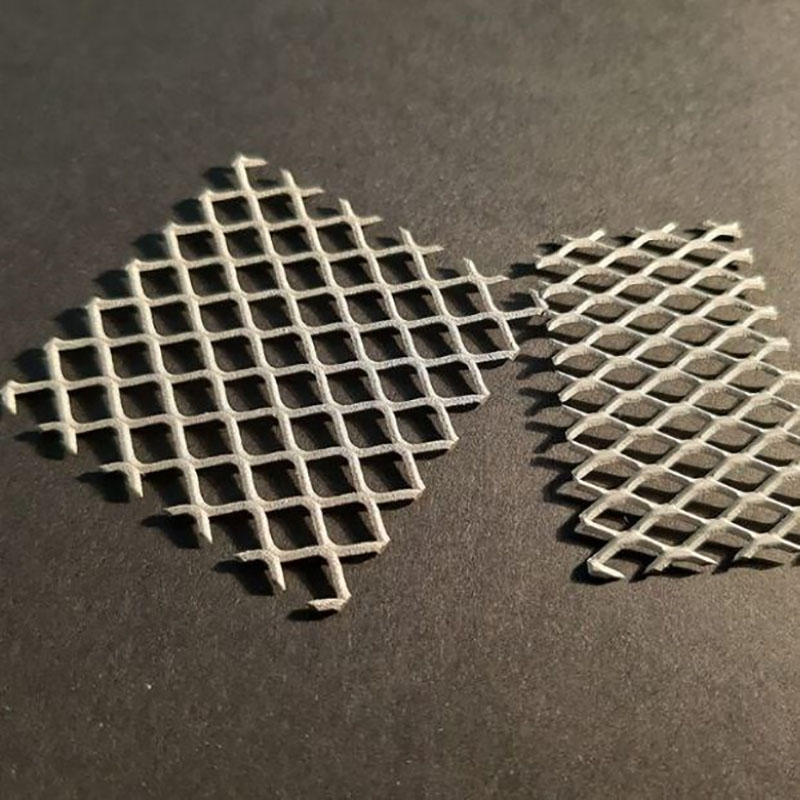
Mesh electrodes are becoming popular due to their advantages in performance and cost.
5. How to clean the electrode plate effectively
Customers should clean the electrode plate every 3-4 months using one of the following methods.
5.1. Manual cleaning
This method can be done at home, but you need to prepare quite a few tools, including: A pump that circulates water into the machine, citric acid powder, a plastic box to hold water, a fake filter or a temporary replacement for the machine's filter.
Users will pour into the machine some specialized chemicals that are effective in cleaning deposits and metal deposits such as: Magnesium, calcium,... and use a cleaning machine to dissolve all deposits and dirt on the electrodes.
5.2. Automatic cleaning with the machine's flushing function
Users only need to start the function key and the alkaline ionized water purifier will operate in flushing mode for 15 - 20 seconds. This method is very convenient, helping users save time, effort, cost as well as ensuring water quality after the cleaning process.
To achieve the best cleaning effect, customers should choose an alkaline ionized water purifier with an integrated automatic flushing function or seek the support of a professional maintenance unit.
See also: Instructions for cleaning machine electrodes water filter
When choosing Mutosi alkaline ionized water purifier, customers will receive good after-sales policy, warranty period up to 36 months after purchasing the water purifier. Therefore, customers can be completely assured about the quality of Mutosi's products and services.
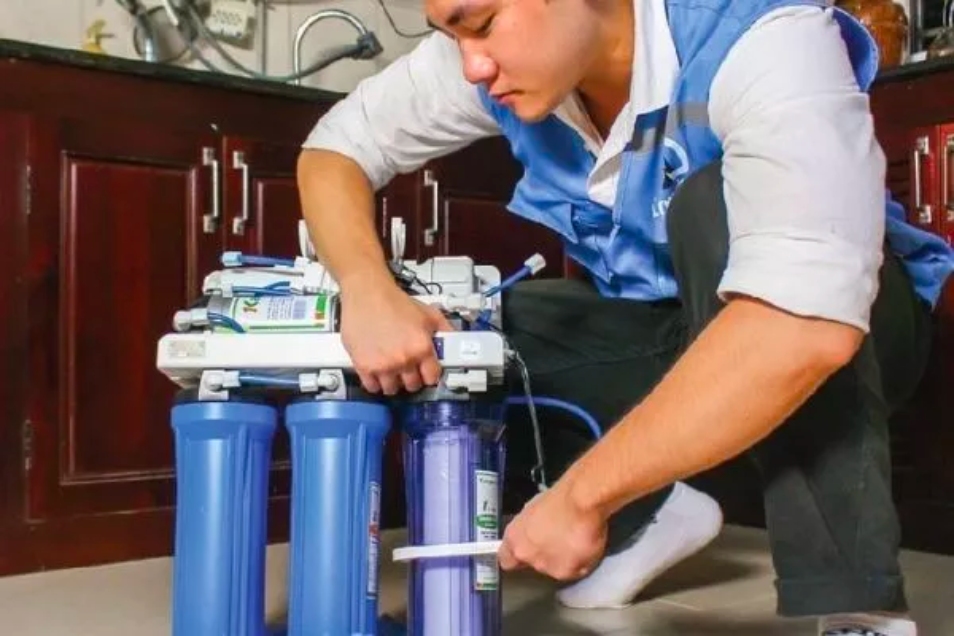
Mutosi has a quick maintenance and warranty policy, meeting customer needs 24/7.
6. Discover the Mutosi alkaline ionized water purifier with the most modern electrolysis technology today
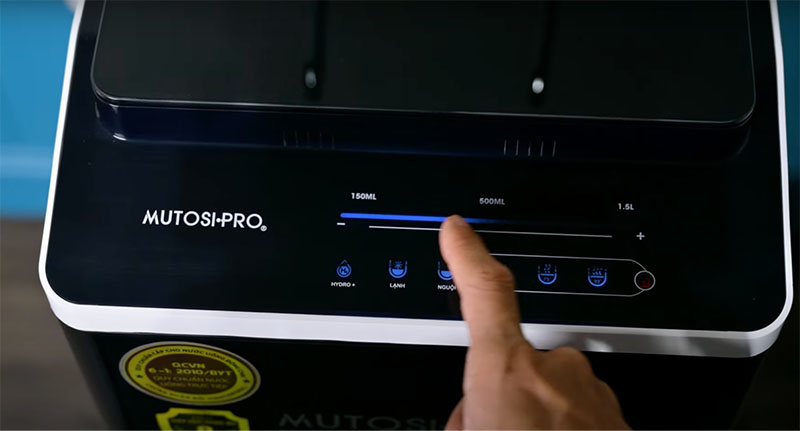
Mutosi alkaline ionized water purifier is manufactured according to the Japanese Hirayama quality management system. The filtered water meets the standards for removing 13 + 6 toxic substances according to Japanese standards JIS S3201 & JWPA and meets the National standard for direct drinking water QCVN 6-1:2010/BYT. The product has a multi-layer filtration system combined with functional filter cores to create mineral-rich water that is good for health.
One of the highlights of the Mutosi alkaline ionized water purifier is the electrolysis unit with 3 Platinum-coated Titanium electrodes that have a durability of up to 15 years. These are two high-grade materials commonly used in the medical field. In addition, the Mutosi electrolysis unit diaphragm meets FDA standards - the US Food and Drug Administration, proving it is completely safe for human health.

Membrane electrolysis technology helps stabilize the pH of alkaline ionized water at 9.5
Therefore, the filtered water not only has high purity but also has hydrogen content from 800 - 1200ppb, deep negative ORP from -400 to -600mV, pH reaches 8.0 - 9.5. Alkaline water with high antioxidant capacity helps improve resistance, prevent aging and prevent chronic diseases such as: Cancer, diabetes,...
The electrode plate of an alkaline ionized water purifier is the heart of the entire machine. Therefore, when choosing to buy an alkaline ionized water purifier, customers need to pay attention to the electrode plate in addition to other factors such as: Design, filtration system, function,...
To refer to Mutosi's Japanese standard alkaline ionized water purifiers, please visit the website Mutosi.com or contact hotline 1900.636.595 for quick support!