

Answer: Is it good to drink boiled rainwater?
1. Drinking boiled rainwater is not safe.
Drinking boiled rainwater is considered unsafe because rainwater inherently has many potential risks of negative effects on health. This has been recognized through many scientific research projects and widely recommended to the community. Specifically as follows:
- According to the Centers for Disease Control and Prevention (CDC), residents living in urban areas should prioritize using tap water or bottled water instead of rainwater for drinking, cooking or oral hygiene. This is especially warned for groups with weak immune systems such as the elderly, young children and people with chronic diseases.
- Professor Ian Cousins, Department of Environmental Sciences, Stockholm University, affirmed: “Rainwater everywhere is considered unsafe to drink”. His research also showed that there are at least 2 forms of PFAS in rainwater (PFOA and PFOS) exceeding safe levels – components that can cause cancer in humans (according to FPA).
- “Germs and many contaminants are found in rainwater – components that can cause illness and outbreaks in human communities,” the CDC also shared.
To explain this, we can understand that rainwater often contains dirt, bacteria, parasites, animal waste and some toxic chemicals, etc. These components can exist in the air or stick to surfaces such as roofs, when rainwater flows through, it will carry them away.
Additionally, rainwater is often more acidic than treated tap water and is not considered suitable for human consumption. The pH of rainwater is measured at around 5.0 – 5.5 and this number can be even lower in areas with polluted air. Meanwhile, WHO recommends that people should use water with a pH of 7.0 – 9.5, especially ideally at 8.5 – 9.5.
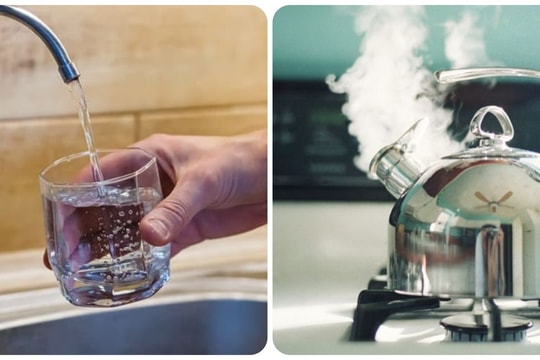
From the recognized scientific evidence as mentioned above, we certainly do not have to argue about the safety of rainwater or whether drinking boiled rainwater is good or not. In fact, the boiling process at 100 degrees Celsius can help treat bacteria, germs and some parasites such as Giardia, Guinea in rainwater. However, this is not enough to clean all chemicals and other toxic components. That means that even after boiling, rainwater still does not meet the standards for direct drinking water.
| Rainwater is not a good choice for drinking and eating purposes, but is only suitable for daily activities such as bathing, washing, washing cars, watering plants, etc. |
2. Simple way to filter rainwater for daily use
In fact, we can still collect rainwater for use in cooking and drinking activities. However, you should only do so if you are sure that the rainwater has been properly treated to remove all pathogens and toxic chemicals.
| You should not collect rainwater at the beginning of the season and at the beginning of a storm because this is the period when the rain is cleaning the air, so it carries a lot of dirt, bacteria, etc. Wait for the rain to rain for about 10-15 minutes for the water to become cleaner before collecting it. If you live in areas with seriously polluted air or near industrial zones, you should not collect rainwater for use. |
2.1. Use of settling tanks and water tanks
A settling tank or water tank is considered the simplest water filtration tool we can use.
Instructions for filtering rainwater using settling tanks and water tanks
- Step 1: Build a settling tank or install a suitable sized container.
- Step 2: Lead rainwater through pipes into the settling tank/container so that the dirt components settle to the bottom.
- Step 3: Decant the clear water above for daily use. This water is suitable for bathing, washing, etc.
Note:
- Filtering rainwater with settling tanks/containers is not safe enough for drinking or cooking. However, in cases where it is necessary to use rainwater, we should:
- Filter carefully before use by suitable method such as using alkaline chemicals like lime water or using sand filter tank.
- When collecting rainwater, only collect water from tiled, corrugated iron, concrete or thatched roofs, and never from cement roofing sheets. The reason is because cement contains asbestos which can cause cancer when absorbed into the body.
2.2. Use water purifier
Specialized water filtration equipment such as RO purifiers are equipped with coarse filter cores and RO membranes that are capable of cleaning solid impurities, bacteria, viruses and even chemicals, mineral salts, etc. in dissolved form. Therefore, it completely meets the requirements for treating mixed water sources such as rainwater.
Instructions for using water purifier to treat rainwater
- Step 1: Choose the right filter device, you should choose RO filter instead of UF/Nano filter because these two types of machines are only capable of cleaning tap water.
- Step 2: Install the filter near the water source and power source according to the correct technique.
- Step 3: Connect to rainwater supply and plug in.
- Step 4: Lead the collected rainwater into the filter, the internal filter system will process impurities, chemicals, bacteria, etc. and provide clean output water that can be drunk directly.
Note:
- Conventional RO water purifiers can only meet the requirements of rainwater treatment in unpolluted areas with not too high impurity content (TDS<300mg).
- In areas with polluted air, rainwater contains too much dirt, if it is necessary to use it, you should install a specialized general filter combined with a family water purifier. For more detailed information about this product line, readers can refer to: Mutosi water treatment system .
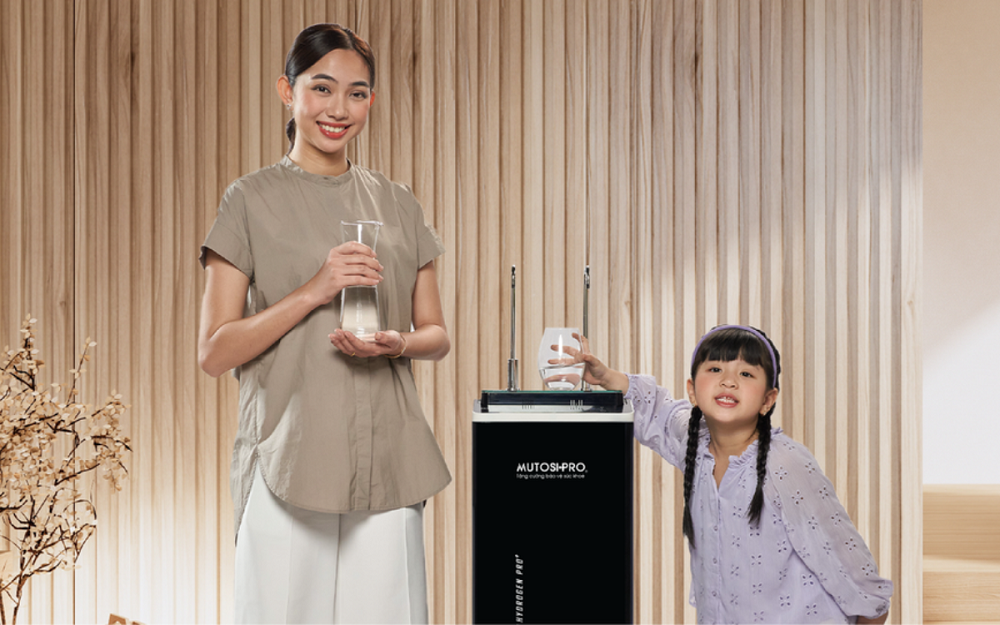
Mutosi water purifiers and Mutosi hot and cold water purifiers are currently considered one of the top choices on the market thanks to the Slitec RO filter membrane that meets NSF/ANSI-58 standards. With technological advantages, Mutosi RO purifiers ensure the ability to handle multiple impurities with efficiency up to 99.99%, recognized as suitable to solve rainwater problems in the most comprehensive way. From there, the filtered water source meets the standards of QCVN 6-1:2010/BYT on direct drinking water, certified by Vinacontrol, contributing to protecting and improving the Japanese standard of healthy living for all users.
3. Answers to 5+ questions when using rainwater
Besides the question of whether drinking boiled rainwater is good or not, there are still many concerns about other related aspects. Typically:
Is rain water cleaner than tap water?
Answer: It is difficult to determine exactly whether rainwater or tap water is cleaner. The reason is that it depends on the actual conditions of these two water sources. Specifically:
- Rainwater in rural areas, mountainous areas where the air is still fresh is quite clean because it does not contain many impurities and toxic chemicals. However, rainwater in urban or industrial areas is often contaminated with bacteria and toxins and is no longer clean.
- Tap water has been treated at the factory to remove impurities and stabilize its physical and chemical properties, so it is certainly cleaner than rainwater in polluted areas. However, tap water often contains residual chlorine from the treatment process, so it is not really safe to eat or drink directly.
Simple way to filter rainwater?
Answer: Using a settling tank or water tank is the simplest way to filter rainwater. This method can separate solid impurities from rainwater.
Is rain water acidic?
Answer: Rainwater contains acid because during the process of falling, it can come into contact with toxic gases in the air such as SO2, H2S, NOx, etc. These gases will react with H2O in rainwater to form H2SO4 or HNO3 acids, etc. and are carried away by the rainwater.
Is it good to wash your face with rain water?
Answer: Washing your face with rainwater is only good when the water source is not polluted by dirt, germs or toxic chemicals. Rainwater is acidic and has no minerals, so it can clean the skin and prevent acne. However, if you collect rainwater in urban or industrial areas, this type of water is often seriously contaminated and can cause irritation and skin diseases. Therefore, you should pay attention to only collect rainwater in areas with clean air and should filter it before using it to wash your face.
What are the harmful effects of rainwater?
Answer: Rainwater is safe in nature, however it can be harmful if it is contaminated by the environment during its fall. The harmful effects of contaminated rainwater can be harmful to the skin when used for hygiene or cause illness and parasitic infections when eaten or drunk.
Is drinking rain water harmful?
Answer: Drinking rainwater if contaminated with bacteria or toxins from the environment can harm the digestive tract, even cause parasitic infections and poisoning. Therefore, if possible, we should not drink rainwater but instead use water from a filter or bottled water.
Above are some explanations for the question of whether drinking boiled rainwater is good or not as well as other aspects. other related to this natural water source. If readers still have questions, please contact the Mutosi hotline for quick advice and answers at: 1900 636 595 .
Note: The information in the article is for reference only.

![[REVEALED] Top 7+ Most effective and easiest ways to treat hard water](https://storage.sudospaces.com/sudo-mutosi/uploads/media/phuong-phap-xu-ly-nuoc-cung-1694.jpg)
![[Answer] Does the hot and cold water dispenser filter water?](https://storage.sudospaces.com/sudo-mutosi/uploads/media/picture12.webp)