

Revealing 8+ ways to filter dirty water into clean water for households
1. Ways to filter dirty water into clean water for daily use
There are many methods to filter dirty water into clean water, serving daily needs. For example, using folk methods such as: charcoal, sand and gravel, designing settling tanks or even applying modern technology of water purifiers and hot and cold water purifiers to increase purity and minimize "hardness" in water.
Here are some of the simplest ways you can do it at home:
1.1. Using charcoal
Using charcoal is a traditional method that is simple and does not require much preparation. However, this method is only suitable for normal water sources that are not too heavily polluted.
Mechanism of action
Thanks to its similar properties to activated carbon, charcoal can be combined with gravel to retain impurities from small to large sizes in water. This results in cleaner and safer water for health.
Water quality after filtration
With the use of charcoal, water is only removed from coarse impurities but not completely filtered out bacteria. Therefore, the output water can be used for daily life but cannot be drunk directly.
Cost: From 1,000,000 - 2,000,000 million VND.
System Building Guide
To filter dirty water with charcoal, you prepare a combined filter system as follows:
- Step 1: Prepare water filter (plastic water tank or build a tank).
- Step 2: Put a layer of charcoal on the bottom.
- Step 3: Spread a layer of fine sand 2-3 times thicker than the charcoal layer.
- Step 4: Wrap cloth around the top of the water bottle or the water faucet after filtering to prevent water mixed with coal ash from becoming cloudy again.
- Step 5: Lead water into the filter system and wait to collect the output water.
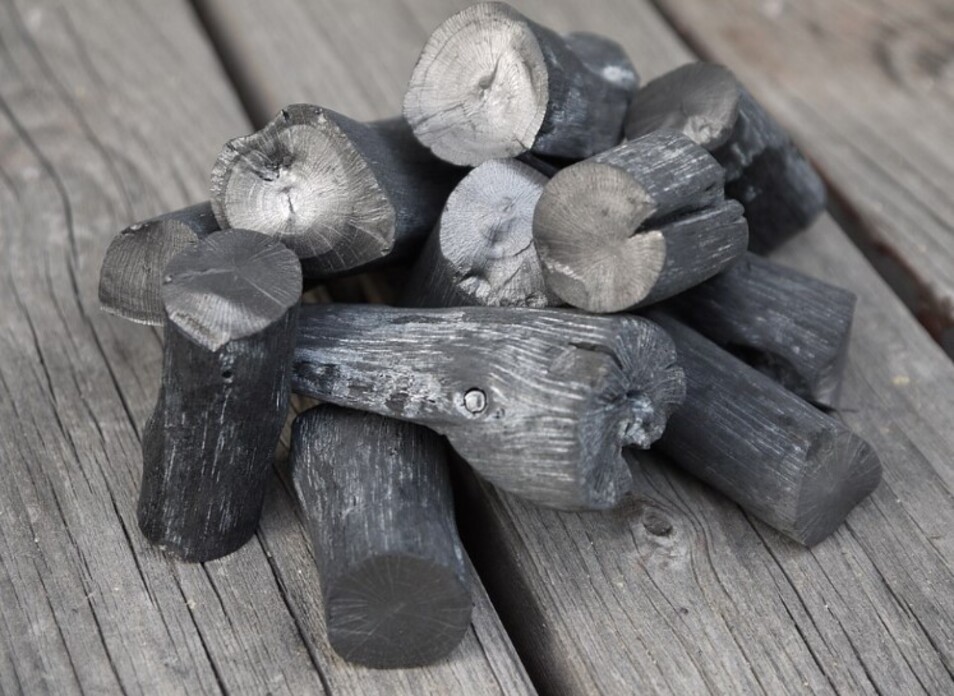
Using charcoal is suitable for normal water sources that are not too heavily polluted.
Advantage
- The method is simple, does not require complicated techniques, so it can be done at home.
- Low cost, easy to find materials.
- The output water has been removed of coarse impurities and some harmful bacteria.
Disadvantages
- Water is susceptible to cloudiness due to coal ash.
- Does not completely remove bacteria and harmful chemicals.
- Water cannot be used directly.
1.2. Use sand, gravel, activated carbon
Similar to using charcoal, this method is also suitable for normal water sources that are not too heavily polluted.
Mechanism of action
Dirty water after passing through the filter layer of sand and gravel will be filtered of impurities in the water. At the same time, the activated carbon layer in the filter system will have the task of removing fishy smell in the water and absorbing impurities, dissolved organic matter, and toxic substances.
Water quality after filtration:
The filtered water has had basic impurities removed, is relatively clean and can be used for daily life. However, because it is only a rough filter, the water cannot be used for direct drinking.
Spend Cost: About 1,000,000 million VND.
System building instructions:
The steps to build a filter system consisting of sand, gravel and activated carbon are quite simple. You can do the following:
- Step 1: Prepare a water filter (plastic water tank or build a tank with a drain).
- Step 2: Spread a layer of activated carbon to filter out toxins and harmful microorganisms.
- Step 3: Spread a layer of medium-sized filter sand.
- Step 4: Spread a layer of gravel to filter suspended matter and large coarse sediment.
- Step 5: Hang the filter up high (if using a plastic bottle to filter), pour water in and use a tool to catch the filtered water flowing out.
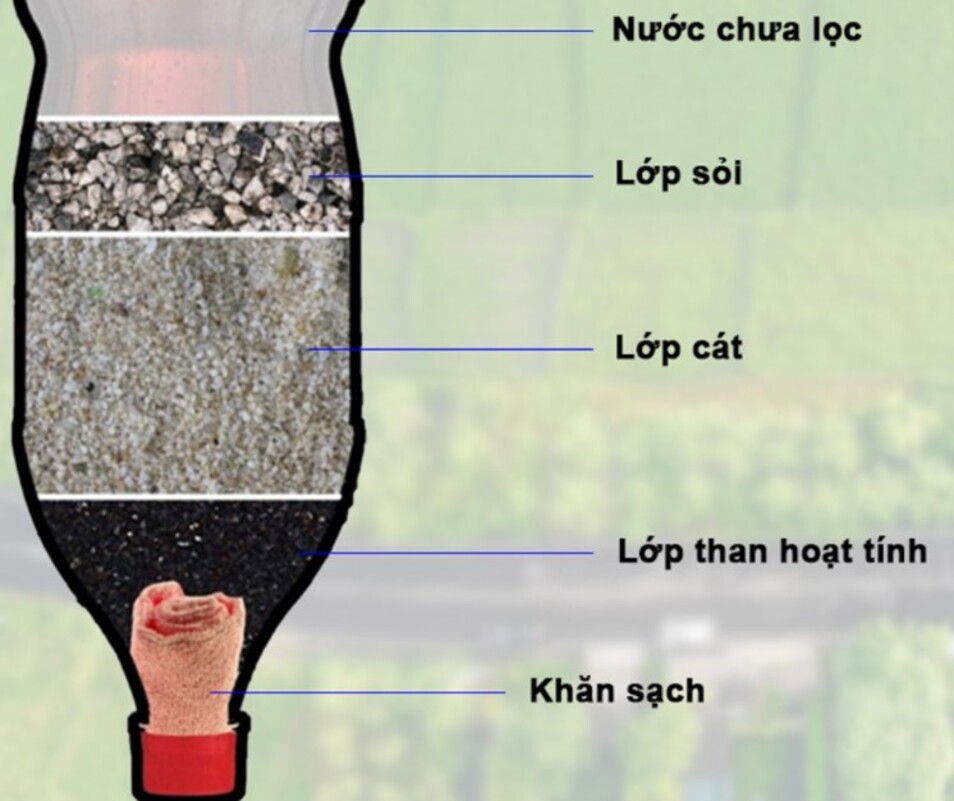
This method is not suitable for highly polluted water sources.
Advantage
- Simple installation, using easy-to-find materials, low cost.
- Takes up little space when implemented.
Disadvantages
- Low filtration efficiency, small output water drops so it takes a lot of time when a large amount of water is needed.
- Not guaranteed to filter out all bacteria.
- Not suitable for highly polluted water sources.
You may be interested in: Hot and cold water dispenser
1.3. Using activated carbon
This is a popular filtration method, widely applied in rural areas with large areas to ensure the ability to build large filter tanks.
Mechanism of action
After building an activated carbon filter tank system, dirty water will be led here. Through the layers of materials, impurities, bacteria and some toxic chemicals will be retained, making the output water cleaner and safer.
Water quality after filtration
With this method, the output water is considered relatively clean. Although it filters out all the coarse dirt, it does not completely remove bacteria and metals. Therefore, this method is only suitable for domestic use and cannot be drunk directly.
Cost: from 1,000,000 - 3,000,000 million VND.
System building instructions:
You can refer to how to build an activated carbon water filter system as follows:
- Step 1: Design a filter tank with a size depending on water usage needs.
- Step 2: Spread a layer of large gravel at the bottom, install a 0.5cm perforated water pipe to conduct water, the gravel has the function of creating gaps for water to flow and holding the pipe in place.
- Step 3: Add a layer of small gravel on top, 10cm thick, to increase cleaning ability and make the water clearer.
- Step 4: Spread a layer of coarse yellow sand on top of the gravel layer, 10cm thick.
- Step 5: Spread another 30cm thick layer of activated carbon on top of the yellow sand layer, the main function is to filter microorganisms, chlorine, arsenic, deodorize and organic chemicals.
- Step 6: Spread another layer of fine sand 30cm thick on the activated carbon layer.
- Step 7: You can add another layer of black sand on top to prevent erosion when exposed to water.
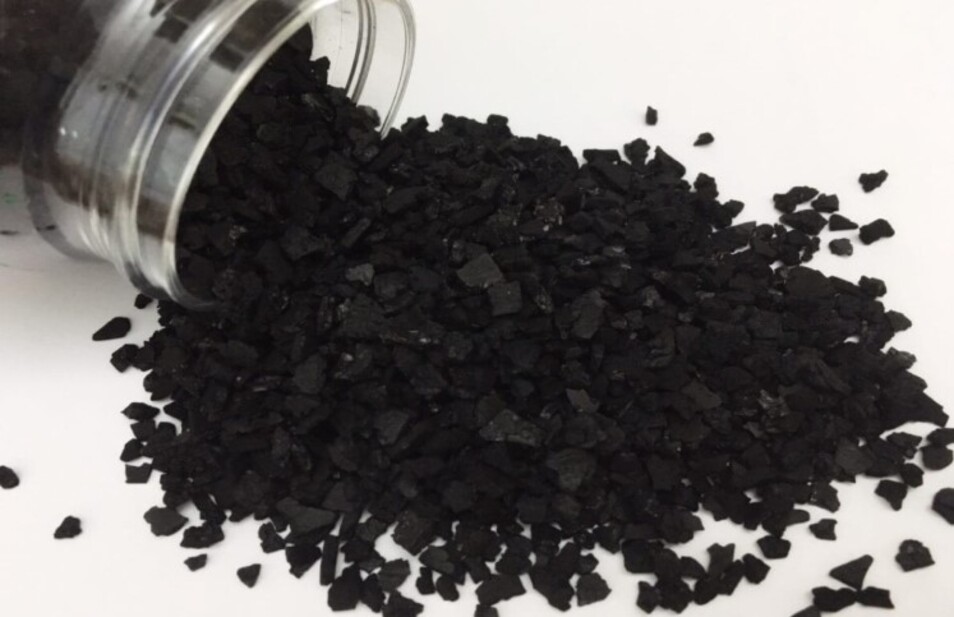
Using activated carbon is a simple and low cost method.
Advantages:
- Simple ingredients, easy to find, low cost.
- Capable of filtering coarse matter, suspended dirt and some toxic chemicals such as arsenic and residual chlorine.
Disadvantages:
- Requires a lot of space to build a tank.
- Installation is quite laborious and the filter material must be replaced periodically every 6 - 9 months.
- The water is only relatively clean, not safe enough to use directly.
1.4. Design of water filtration tank combined with rain system
This method of filtering dirty water into clean water is often applied to underground water sources (such as drilled wells or dug wells), popular in rural areas or places where there is no tap water supply station.
Mechanism of action
First, the dirty water source is led into the pipe through the shower or rain system and will undergo the process of oxidizing the metals in the water, creating precipitation. Next, the water from the rain system continues to flow down to the filter tank below, the filter system will block precipitation, impurities, dirt, microorganisms, alum and metals,...
Water quality after filtration
Thanks to the removal of most metals and toxic impurities, the dirty water source has become significantly cleaner. Therefore, this method is often suitable for activities that do not require high purity.
Cost: Under 10,000,000 million VND.
System building instructions:
The process of building a sedimentation tank combined with a rain system is as follows:
- Step 1: Build a tank system consisting of 3 parts: Settling tank, filter tank and water tank after filtration.
- Step 2: Spread a layer of small gravel 0.5 - 1cm in size, 10cm thick, to prevent dirt, prevent clogging of filter pipes and filter nets.
- Step 3: Spread yellow sand or quartz sand 10 - 20cm thick.
- Step 4: Pour a 15 - 20cm thick layer of activated carbon to absorb organic chemicals, bacteria, and color and odor-causing components in water.
- Step 5: Pour iron-removing material and manganese granules 15 - 30cm thick to treat alum, iron, manganese, and arsenic.
- Step 6: Pour a layer of coarse yellow sand or quartz sand 10 - 20cm thick.
- Step 7: Make a sprinkler system using a showerhead or a plastic pipe with small holes punched in the body to create rain.
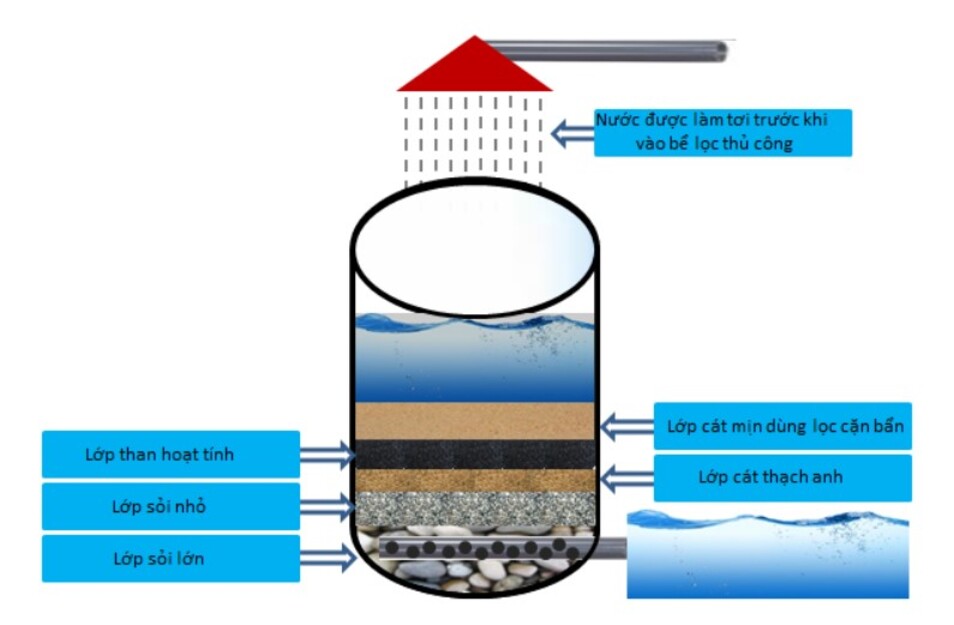
Water filtration tank combined with rain system or used for underground water source
Advantage:
- Filtered water is quite clean, removing most heavy metals in the water, and can be used in daily life.
- Ingredients are easy to find and not too expensive.
Disadvantages:
- Many steps are required to build a filtration system.
- Although the filtered water is clean, it still does not meet the standards for direct use.
1.5. Equip primary water filtration system
This is one of the relatively effective ways to filter dirty water into clean water, trusted by many families. Primary filtration systems are often designed specifically for each water source, so they can be used in most cases such as salty water, alum-contaminated water, well water, hard water...
Mechanism of action
Separate filter columns will be installed at the water source, including filter materials such as activated carbon, quartz sand, cation beads and regenerating salt. Water passing through the system will be treated for dirt, moss, ... and softened, demineralized. In addition, cation resin beads will help remove Ca2+, Mg2+ ions which are the cause of hardness. in water. From there, produce clean water for domestic use.
Water quality after filtration
- Water is removed of metals, toxic chemicals, and gross impurities.
- Water is softened, reducing white residue during use.
- Water is only suitable for bathing and washing activities, it needs to be filtered again before it can be used directly.
Cost: From 3 - 50 million depending on the type of household filter used
System Building Guide
With this method, you do not need to build your own filtration system at home. Instead, the primary filtration system or the total filtration system is provided, you just need to buy it, install it and you can use it immediately.
As one of the leading clean water solution providers in Vietnam, Mutosi brings you a line of compactly designed, effective filtration systems for all water sources from water contaminated with heavy metals, water contaminated with limestone, etc. With modern filtration technology and long life, Mutosi's filtration system ensures to bring your family a safe source of water for health.
Learn more about primary water filtration systems from only 4,800,000 VND HERE .
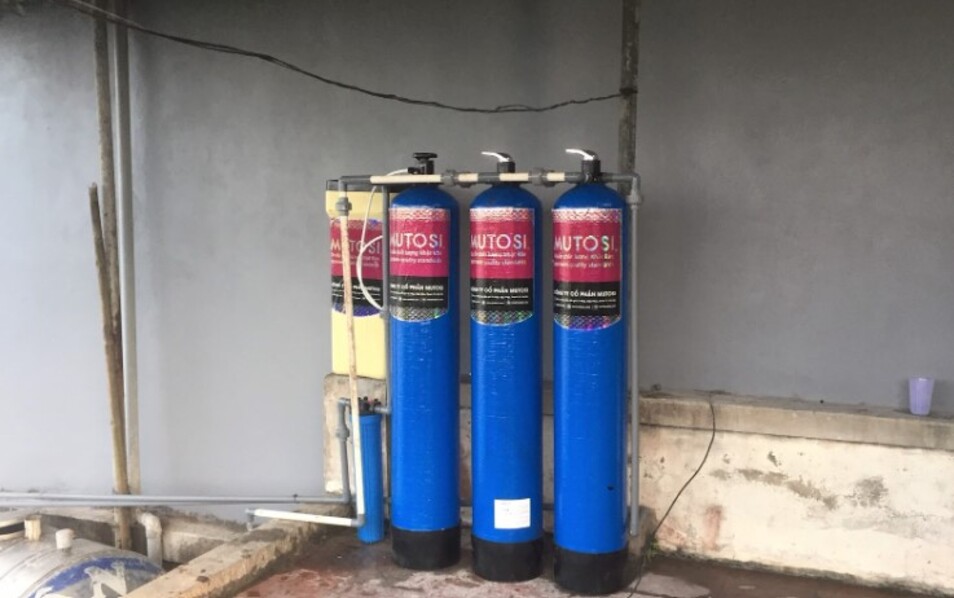
Mutosi's filtration system is capable of removing harmful substances in water.
Advantage:
- High filtration capacity.
- The water after filtration is relatively clean, without any toxic components, so it is easier for home filters to handle.
- No need to spend time building, ready-made products just need to be purchased, installed and used.
Disadvantages:
- Cannot provide water that meets drinking standards.
Learn more:
- 10 Harmful Effects of Alum Contaminated Water on Health and Daily Life
- 4+ Causes of Iron Contamination in Water and Effective Solutions
2. Ways to filter dirty water into clean water for direct drinking
The above methods of filtering dirty water into clean water are quite simple and easy to do, but most of them only remove some coarse dirt. Therefore, if you want to drink directly, in addition to using the initial coarse filtration system, you need to add another purification method such as:
2.1. Use a water filter
This is a relatively common method, suitable for relatively clean water sources with low metal and mineral content. However, to achieve the highest cleaning efficiency, you should boil the water before putting it into the filter.
Mechanism of action
Water filters are built with multiple layers of materials such as quartz sand, mineral stones and ceramic filter cores. After passing through here, the water source will be removed of bacteria and harmful impurities from the water.
Water quality after filtration
With this method, dirty water will be filtered into clean water, limiting bacteria in the water, ensuring safety and can be used for direct drinking.
Cost: From 500,000 - 1,000,000 million VND.
/>
Using a water filter is an effective and low-cost method.
Advantage:
- It is possible to produce clean water for direct use if the input water is relatively clean.
- Low cost of buying a filter, buy and use immediately, compact design, takes up little space.
Disadvantages:
- Selective of input water. Only suitable for relatively clean water that has been treated with a primary filtration system or domestic water filter tanks. Cannot filter alum water, hard water or water containing many impurities...
- Remember to change the filter regularly.
2.2. Using Nano water filter
Nano water purifier is a modern product with ultra-small water filter membrane technology. According toexperience in choosing a water purifier , the machine will be suitable for normal water sources with low metal and mineral content.
Mechanism of action:
The filtration system of the Nano water purifier has the effect of removing bacteria, impurities and toxins in dirty water to create pure water. In particular, this product also has the ability to retain some beneficial minerals in the water.
Water quality after filtration
The filtered water is clean and pure and can be drunk immediately after filtration. Therefore, this method is very suitable for families with children and the elderly.
Cost: From 3,000,000 - 15,000,000 million VND.
System building instructions:
Nano water filter products are available for sale, you just need to buy them and you can use them immediately.
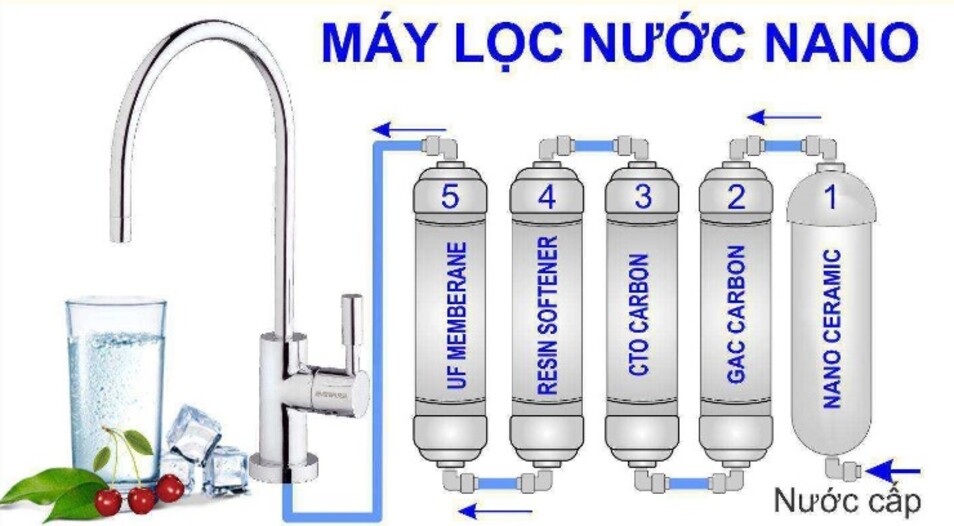
Water source through Nano water filter is removed impurities, bacteria and can be drunk immediately after filtering.
Advantage
- Has the ability to filter clean water, creating a safe source of water for direct use.
- Convenient product, easy to use.
- The cost is not too high compared to RO water purifiers.
Disadvantages
- Cannot filter hard water, alum water, brackish water.
- Without using a pump, the process of pushing filtered water out is slow and weak….
- Cannot filter bacteria smaller than the filter pore size (0.001 micrometer), so it is only suitable for relatively clean water sources with few impurities or water that has been treated with preliminary filtration systems.
- Replacing the nano core is more expensive than the RO core.
2.3. Using RO water purifier
RO water purifier is the most trusted water purifier product used by customers today. This machine line can be used for many different input water sources without the need for a rough filtration system such as hard water, brackish water,...
Mechanism of action
The system includes coarse filter cores and RO membranes to help remove impurities, bacteria and harmful toxins from the water. In addition, some models also have the function of adding some beneficial micronutrients to provide nutritious, safe and healthy water.
Water quality after filtration:
The output water is clean, pure, safe for health, so it can be used immediately without boiling.
Spend Cost: From 4,000,000 - 25,000,000 VND, depending on the type of machine. Consider whether to buy a water purifier here.
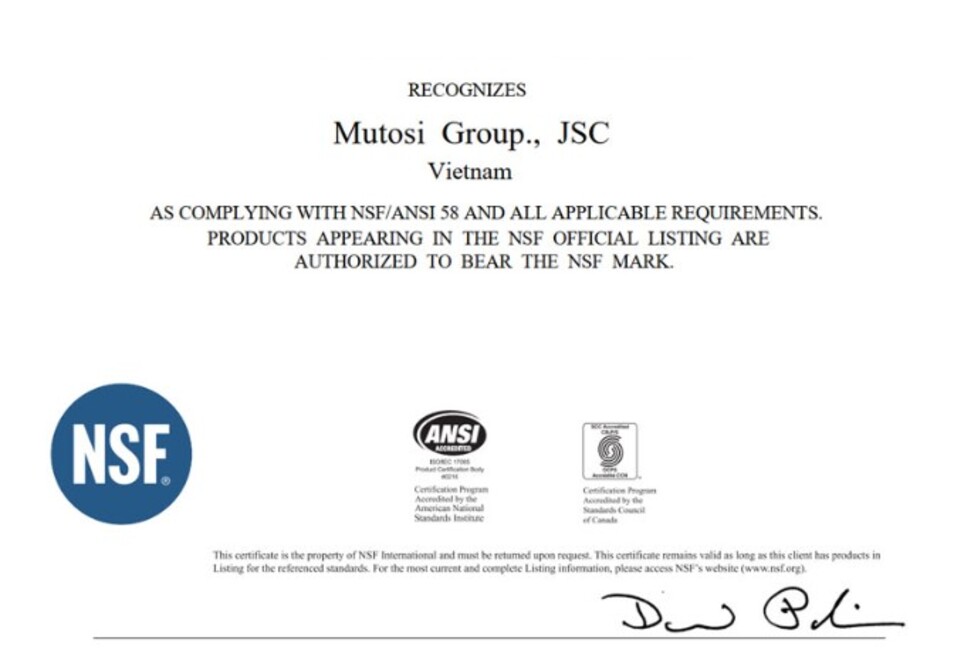
Mutosi water purifier uses RO membrane with international NFS certification for direct drinking water according to Ministry of Health standards.
Advantage:
- The machine is capable of filtering 99.99% of bacteria and harmful impurities, ensuring pure and safe output water.
- Water can be used directly without boiling.
Disadvantages:
- Initial investment costs are quite high.
- Need to replace RO core and membrane periodically.
If you are looking for a quality RO water purifier for your family, you can refer to the water purifier lines from the Mutosi brand. The Slitec RO filter membrane from Mutosi is an internationally certified NFS (WHO) filter membrane - Guaranteed to remove impurities, bacteria, and heavy metal ions in water. Water after the RO filtration system is tested to remove 13 + 6 toxic substances according to Japanese standards JIS S3201 & JWPA, so the output water meets the safety standards of the Ministry of Health and can be drunk directly.
Reference: RO water purifier from only 4,000,000 VND
3. Warning about unsafe methods of filtering dirty water
Besides the above methods, many people still have traditional ways of filtering dirty water into clean water. The common point of these methods is that they are not safe, the water after filtering still has many bacteria and dirt residues that affect health.
3.1 Use cloth or cotton
This method was used by many families during the subsidy period. Because at that time, the water source was usually rainwater or spring water which was relatively clean and fresh. In particular, filtering water using cloth or cotton also required less raw materials.
However, with the current situation of increasingly polluted water environment, this method has become outdated and no longer ensures safety. Using cloth or cotton only removes basic impurities, large in size but cannot filter out bacteria, toxins of small size.
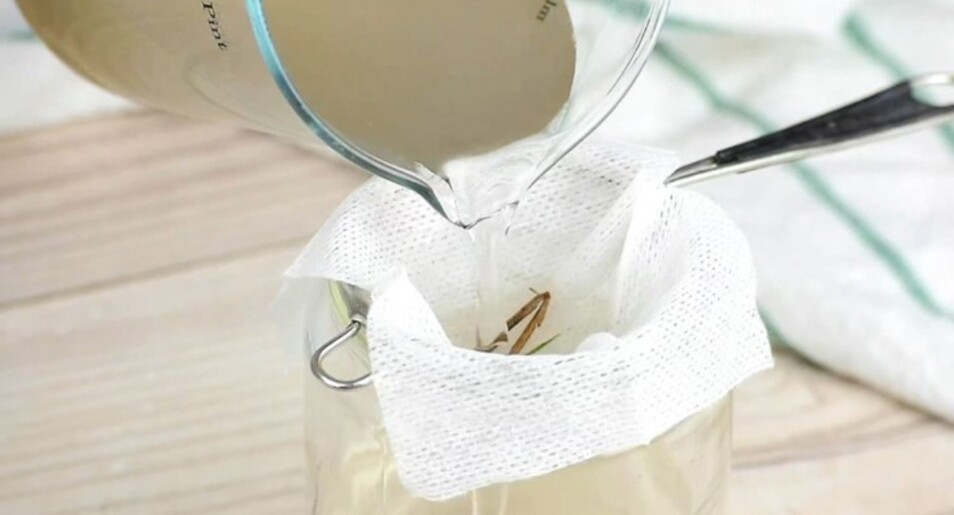
Using cloth or cotton only removes basic, large impurities.
3.2 Using distilled water filter
This is also a water filtration method that is quite simple to implement and costs little. However, during the process of distilling water, some toxic substances in the water can evaporate and condense back into the bowl. Therefore, this is also one of the unsafe ways to filter dirty water into clean water that you should avoid.
>>> You might be interested in:Which type of hot and cold water dispenser is good ?
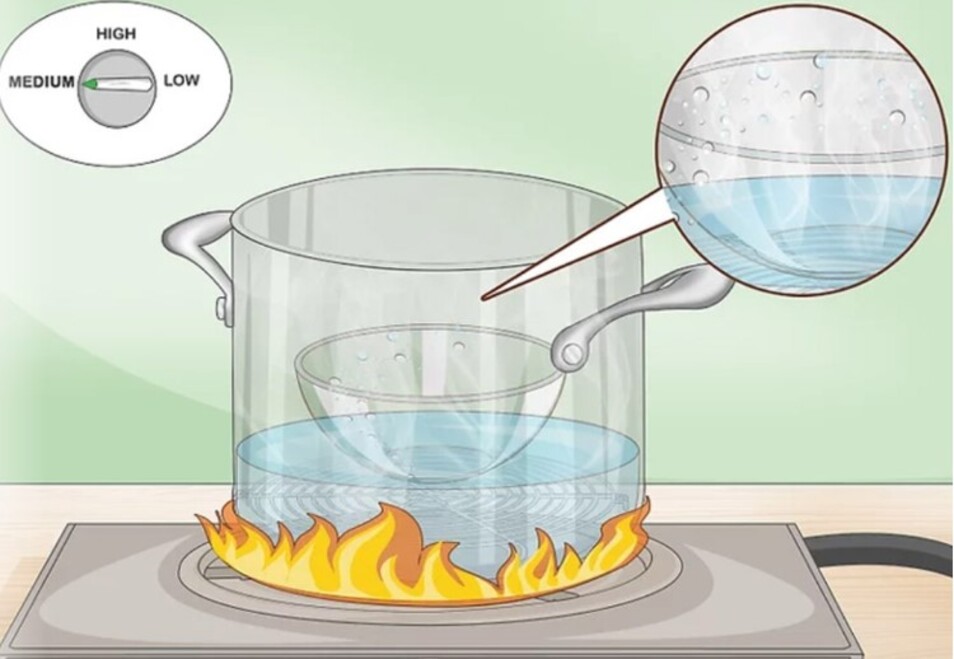
Using distilled water filters is sometimes not safe for human health
Above are all the ways to filter dirty water into clean water that you can do at home. Do not hesitate to contact Mutosi via Hotline 1900 636 595 if you have any questions related to the above methods! Mutosi will help you answer for free and as quickly as possible!

![[ANSWER] Who should not drink alkaline ionized water? Notes when using alkaline ionized water](https://storage.sudospaces.com/sudo-mutosi/uploads/media/ai-khong-nen-uong-nuoc-ion-kiem_1727923502.jpg)